




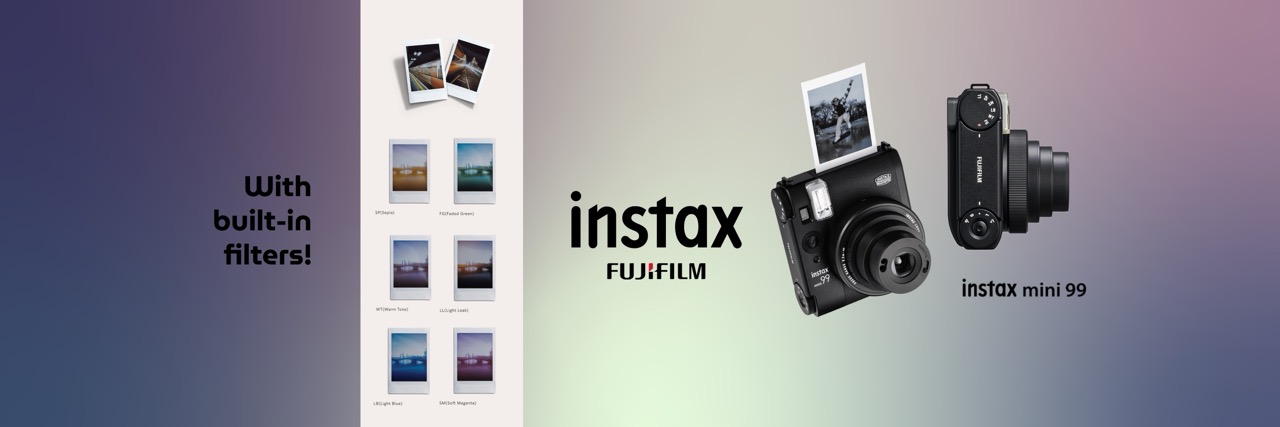
INSTAX, a brand under FUJIFILM known for their instant film cameras, partnered with Factory360 to put on an influencer event for the release of their new camera: INSTAX mini99.
With never-seen-before internal lens filters, INSTAX aimed to have a modern event to match the built-in filter technology.
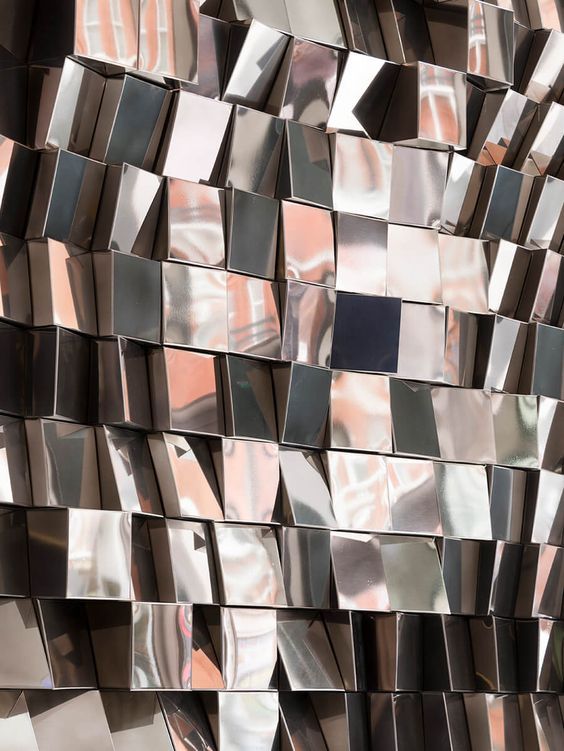
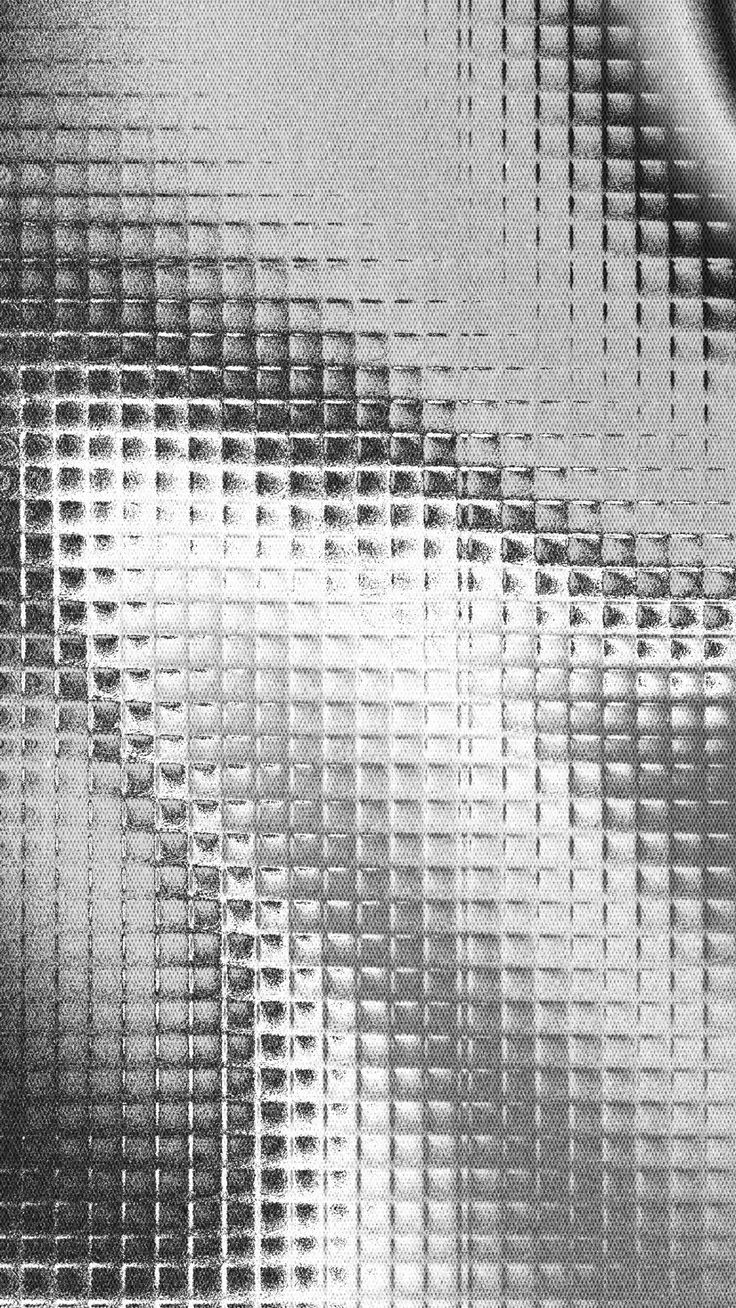
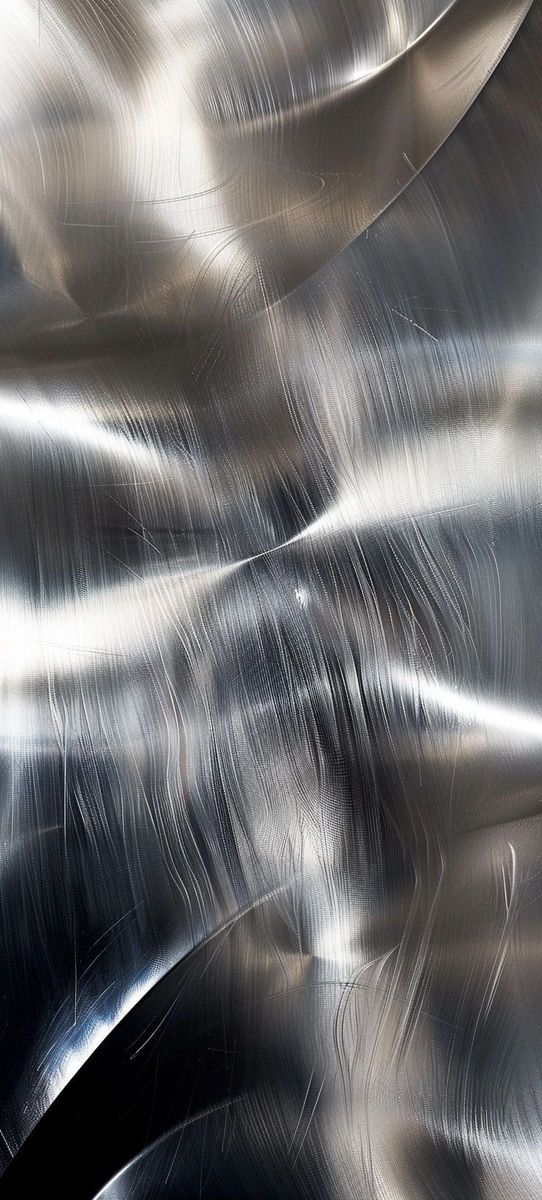
The event aimed to cater towards a specific demographic: gen-z and millennial aged men. Aspiring to establish a futuristic, metallic atmosphere as well, the designs embodied a profound, minimalistic approach.
With an influencer event, the captured content is just as important as the actual experience. This additional layer meant considering design that was worth sharing and would gain social media traction.


After pitching the design directions for the photo moment, the client requested alternative options. With all of the previous designs directly incorporating the INSTAX photos, the next design embodied a more abstract representation of the mini99's features.
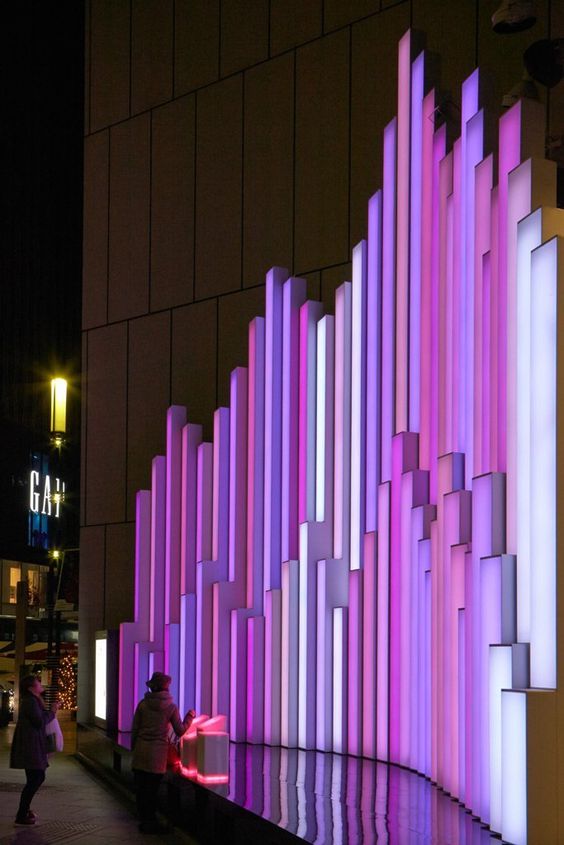
I iterated on my ideas by researching optical illusions + interactions to take inspiration from.
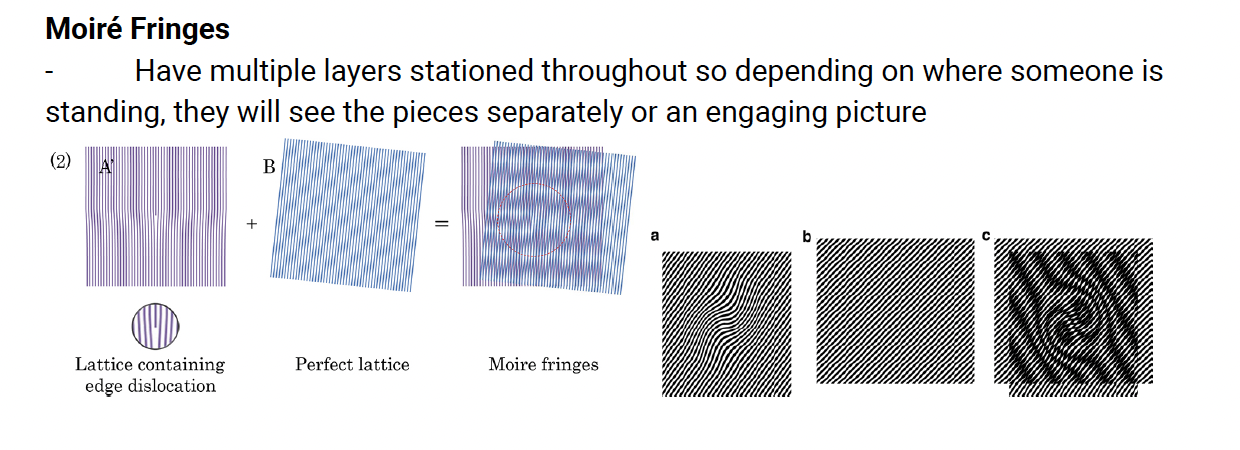
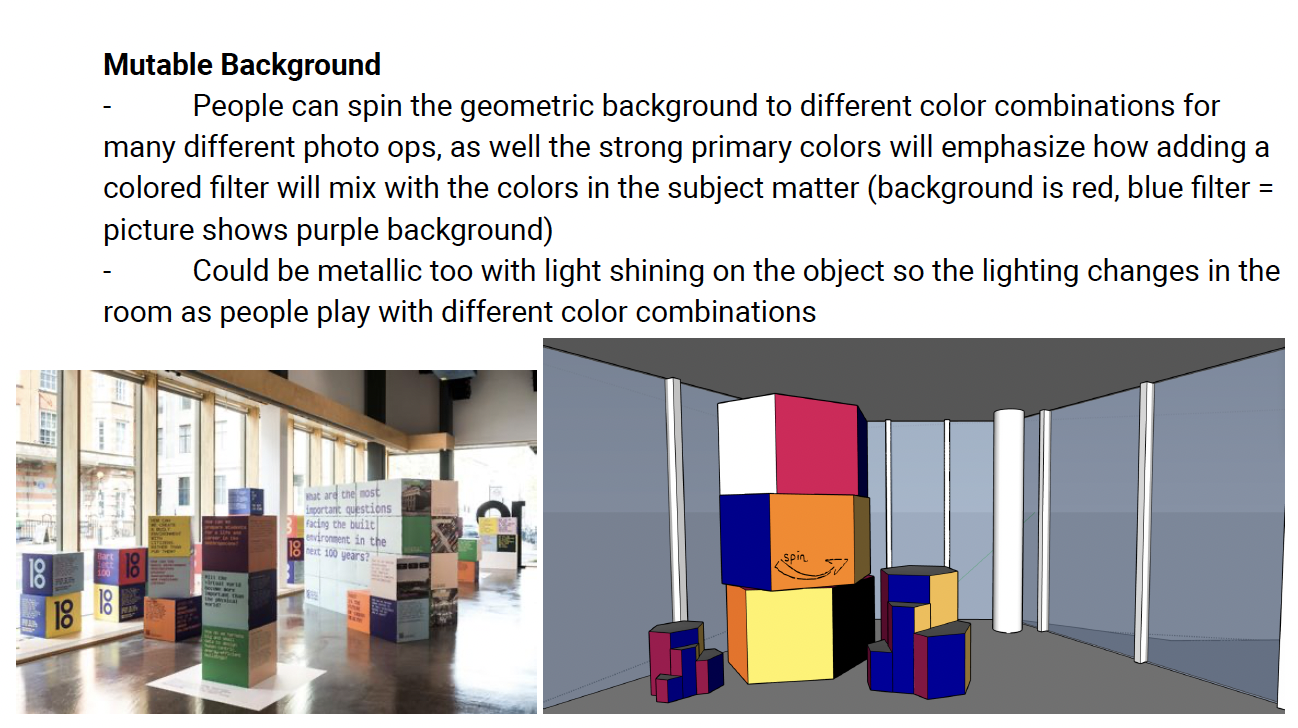
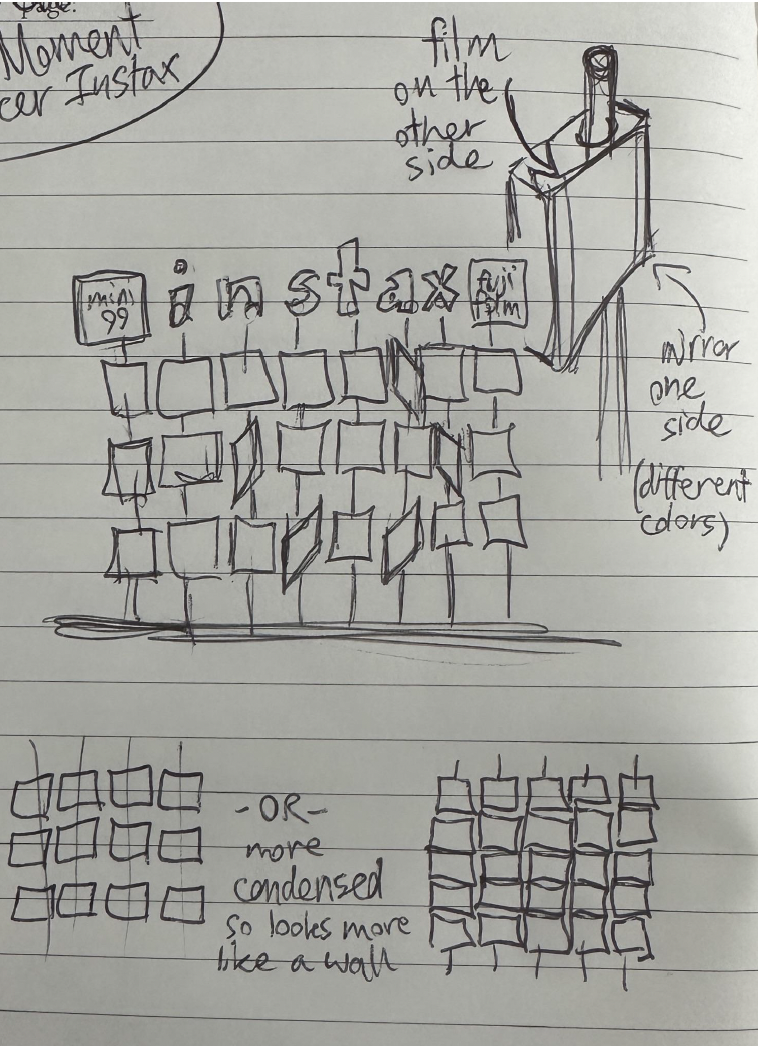
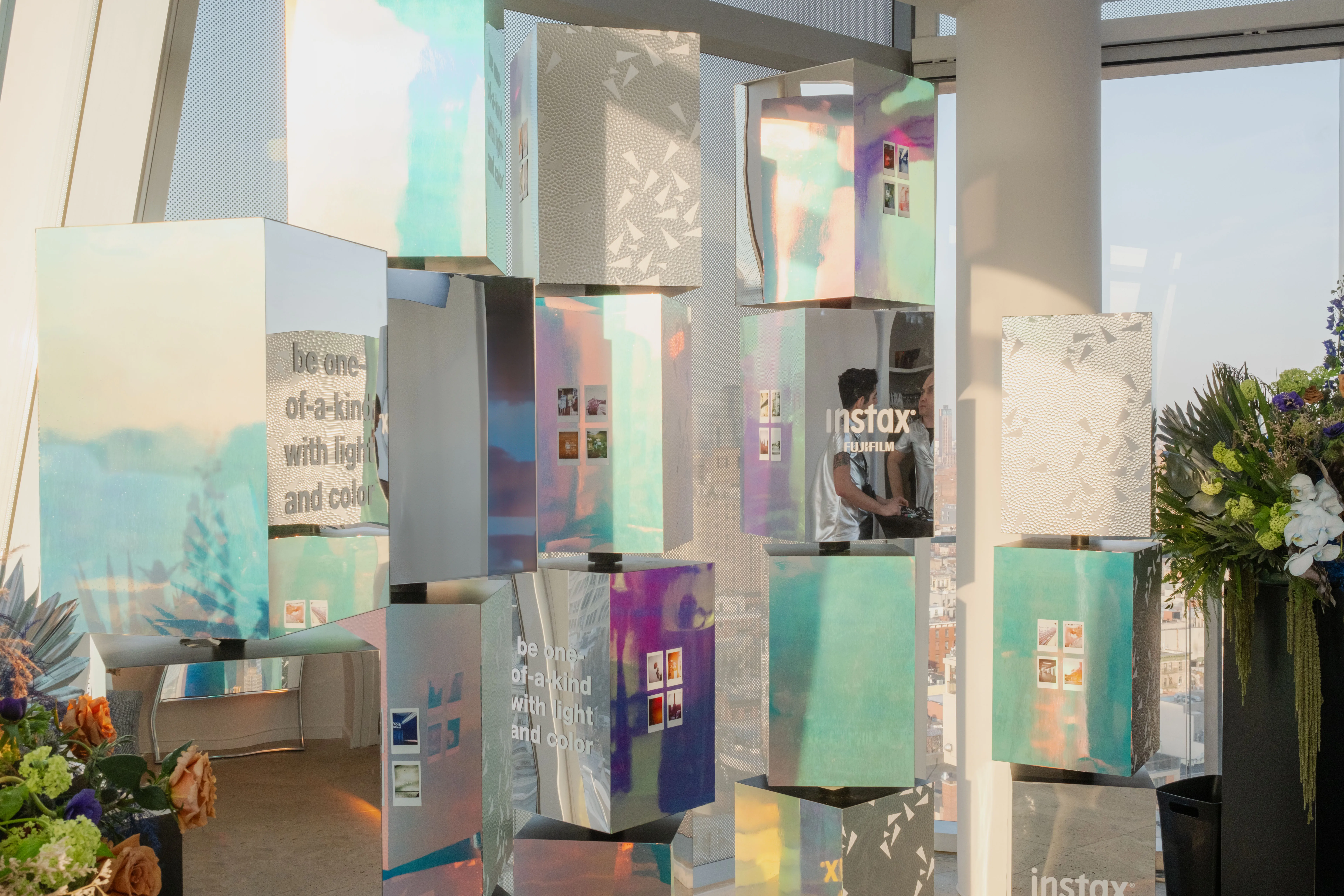
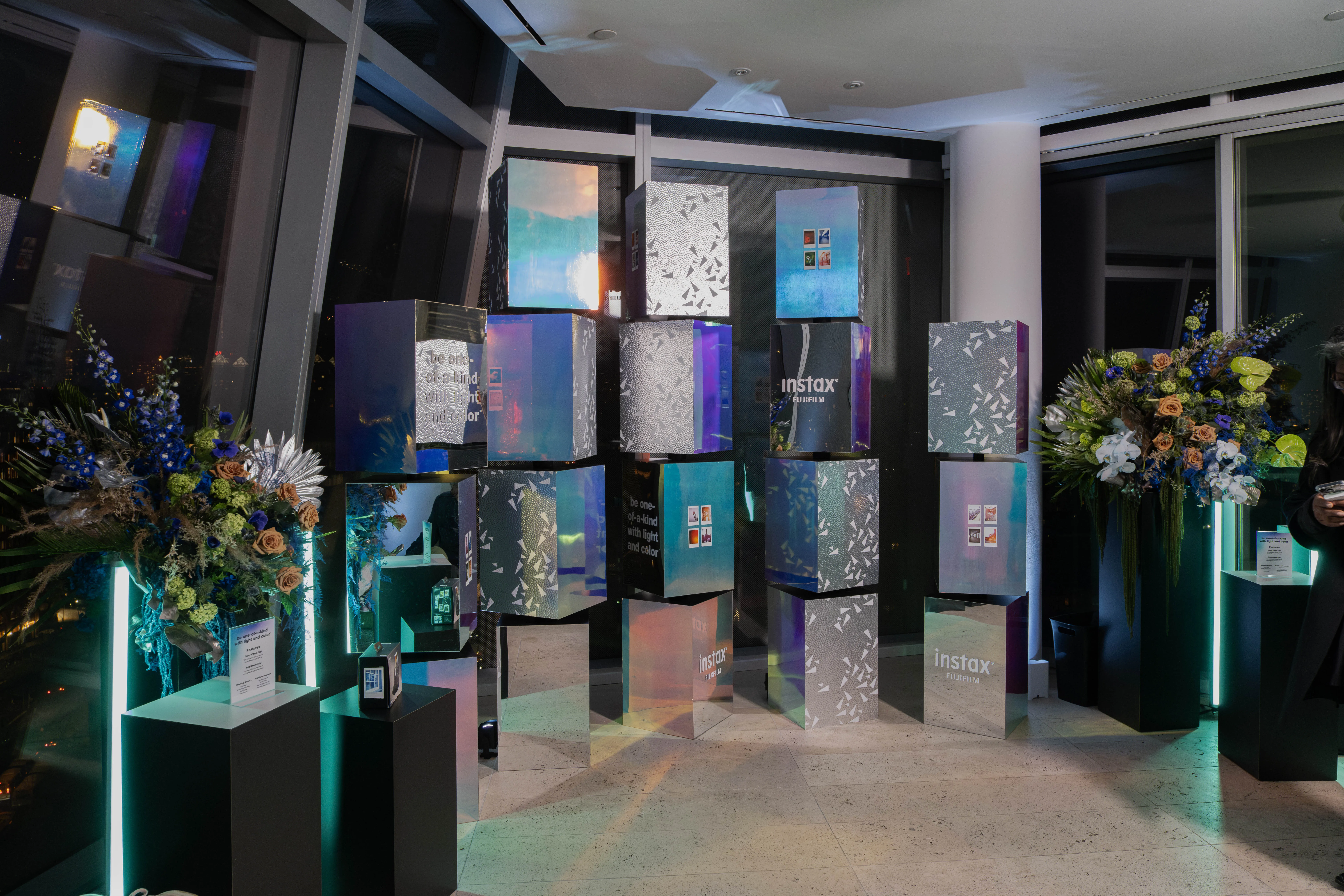
Approved by client, the spinning blocks photo moment highlights the new camera’s internal filter capabilities with each face of the volume having a different mirrored graphic/sheen.
The dimensions of the volume match the ratio of INSTAX film for a brand relevant touch. The mirrored finish maximizes the photo moment opportunities as it serves as both a sculpture and selfie photo opp.


I helped ensure the environment was set up properly: from the large scale photo moments to the placement of informational signs. During the event I remained on my toes, ready to support on any tasks the F360 team needed.


LivePerson, a global AI and conversational technology company, hosted their annual Spark conference at the Computer History Museum in Mountain View.
Factory360 was brought on to design and produce the full event experience, from registration through the main stage. The conference served as the backdrop for LivePerson's latest AI product launch, bringing together industry leaders for a day of speakers, workshops, and networking.
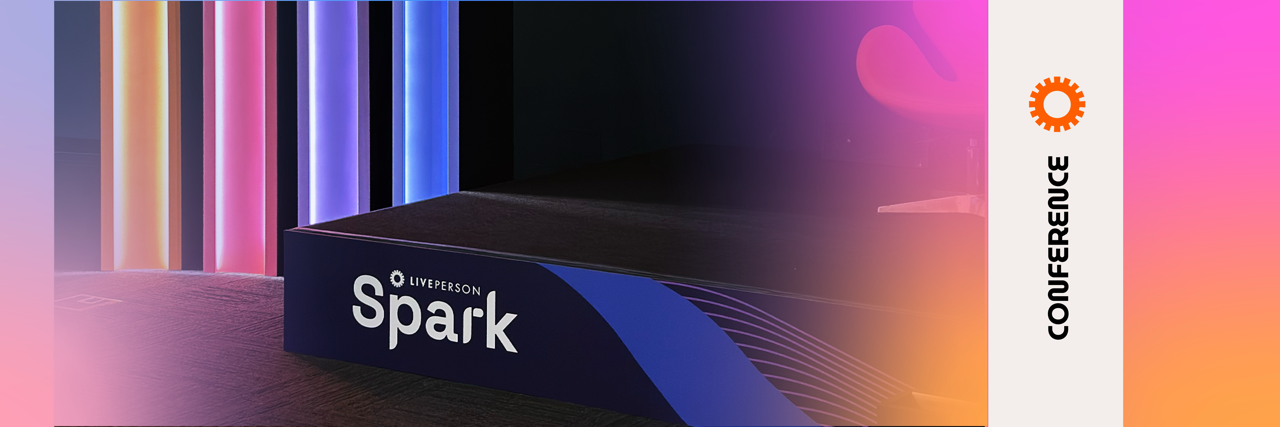
The design needed to translate LivePerson's brand identity into physical space without losing the energy of the Spark visual system built from the previous year: bold gradients, fluid forms, and a palette that reads as both tech-forward and human.
Budget constraints shaped the direction early, pushing toward solutions that packed visual impact through graphics and color rather than complex fabrication. The goal was a space that felt cohesive and considered from the moment attendees walked in.

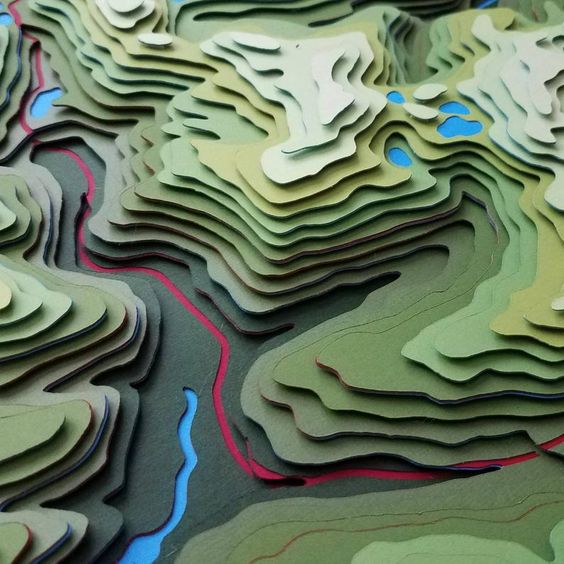
In the early concepts I pushed the brand to 'blue sky' area, exploring any and all ways to integrate unique lighting and layered material to create eye catching forms without a heavy fabrication lift. Every exploration was visualized on SketchUp and rendered on Enscape to see the context better.
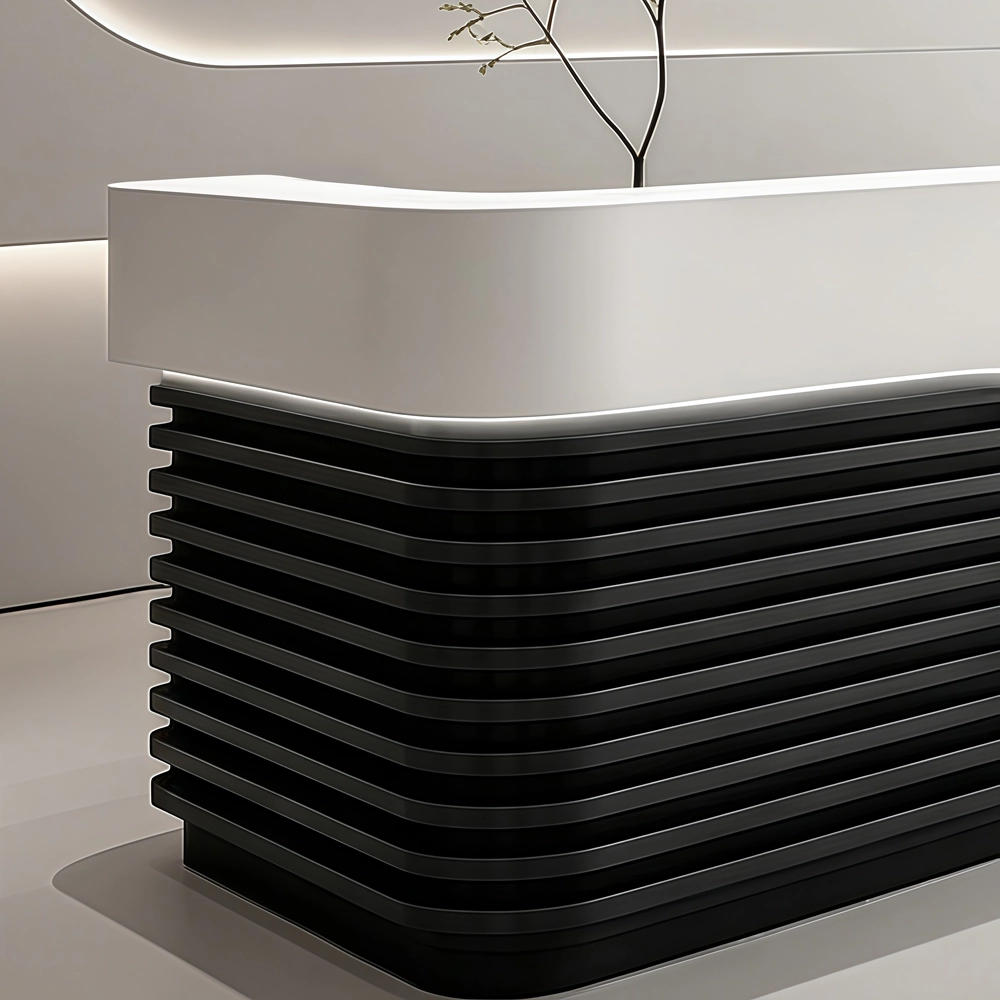
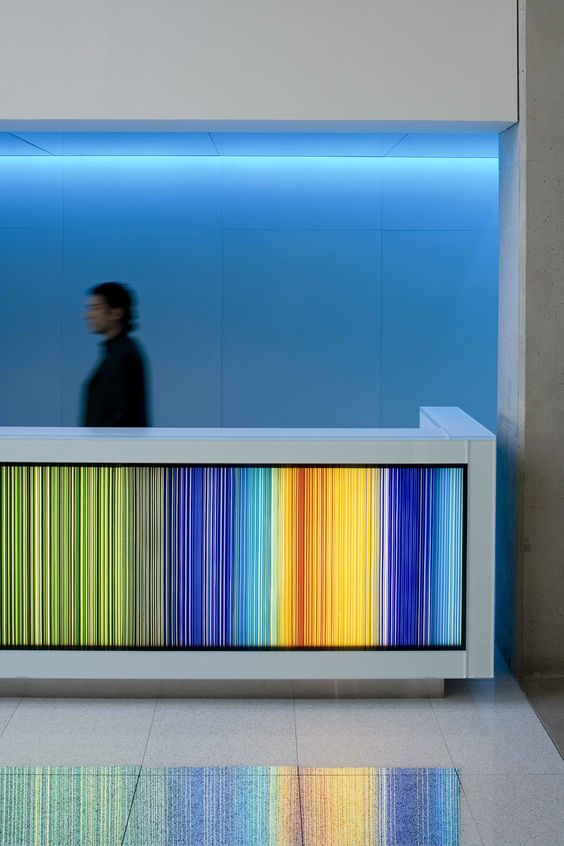
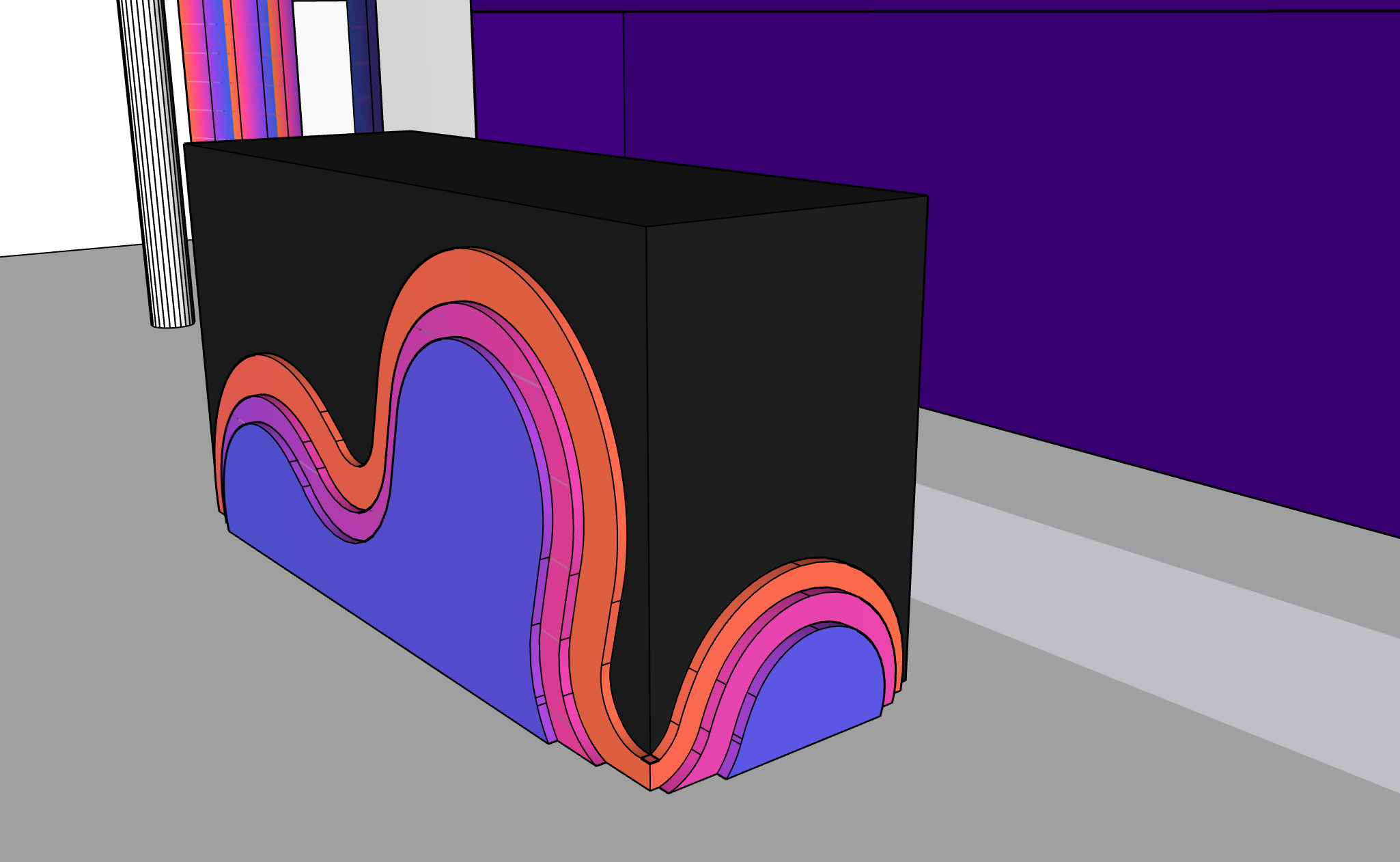
For the stage, explorations included large-scale gradient column towers with neon edge lighting and modular wire grid structures paired with oversized florals. The reception desk followed a similar aesthetic, with structural directions ranging from staggered gradient columns to arched pillar arrangements.
.png)


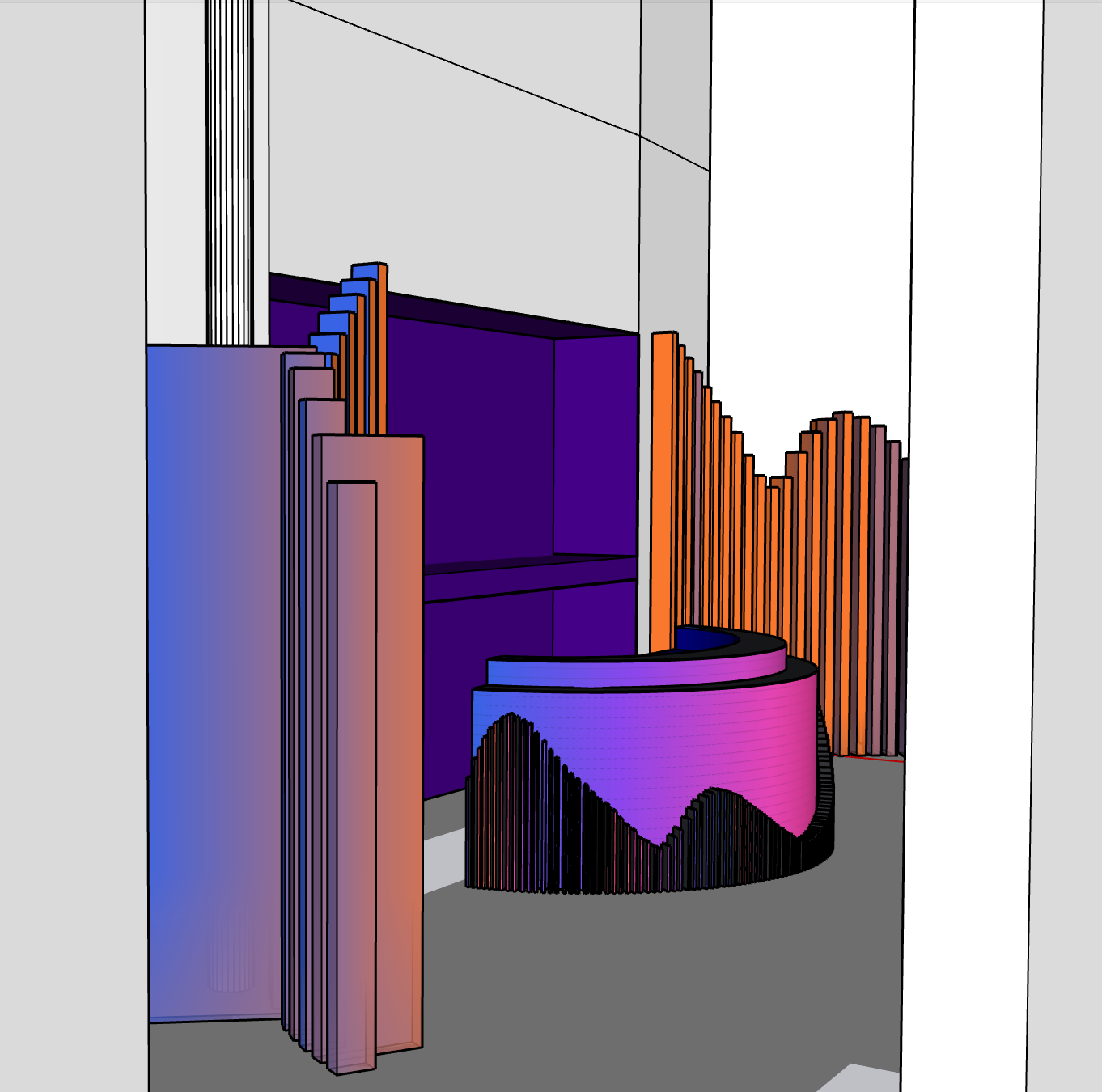
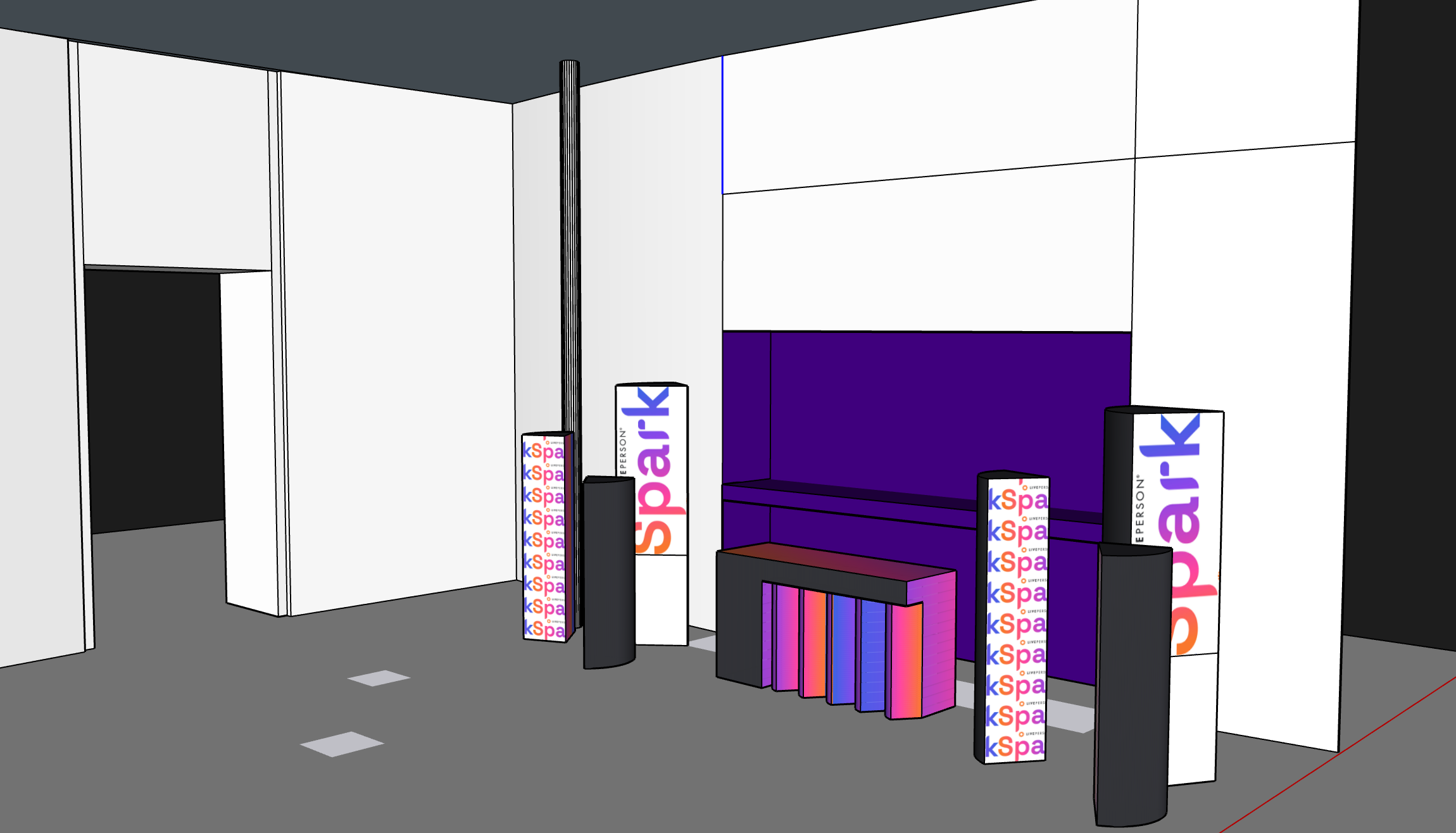
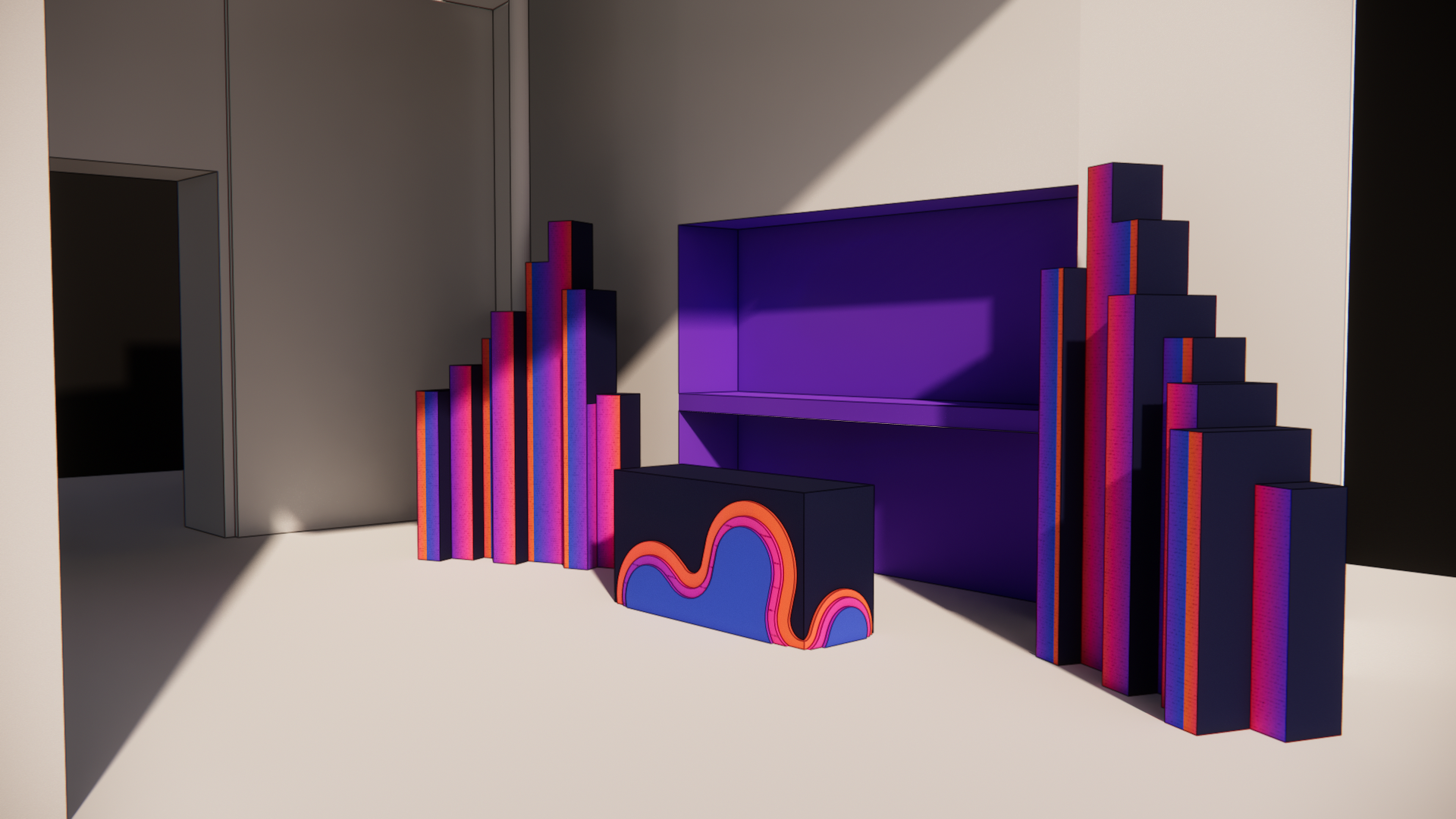
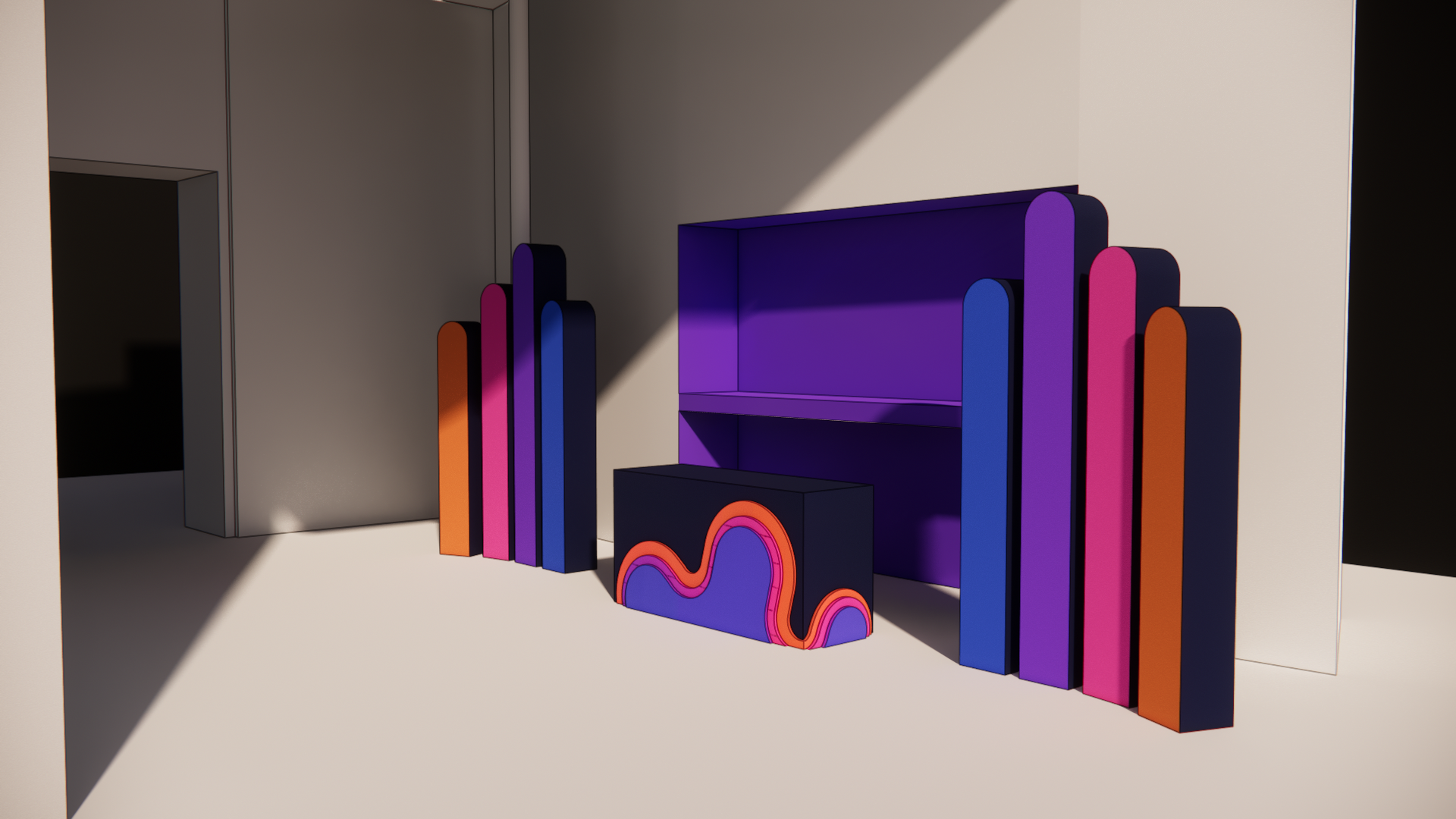
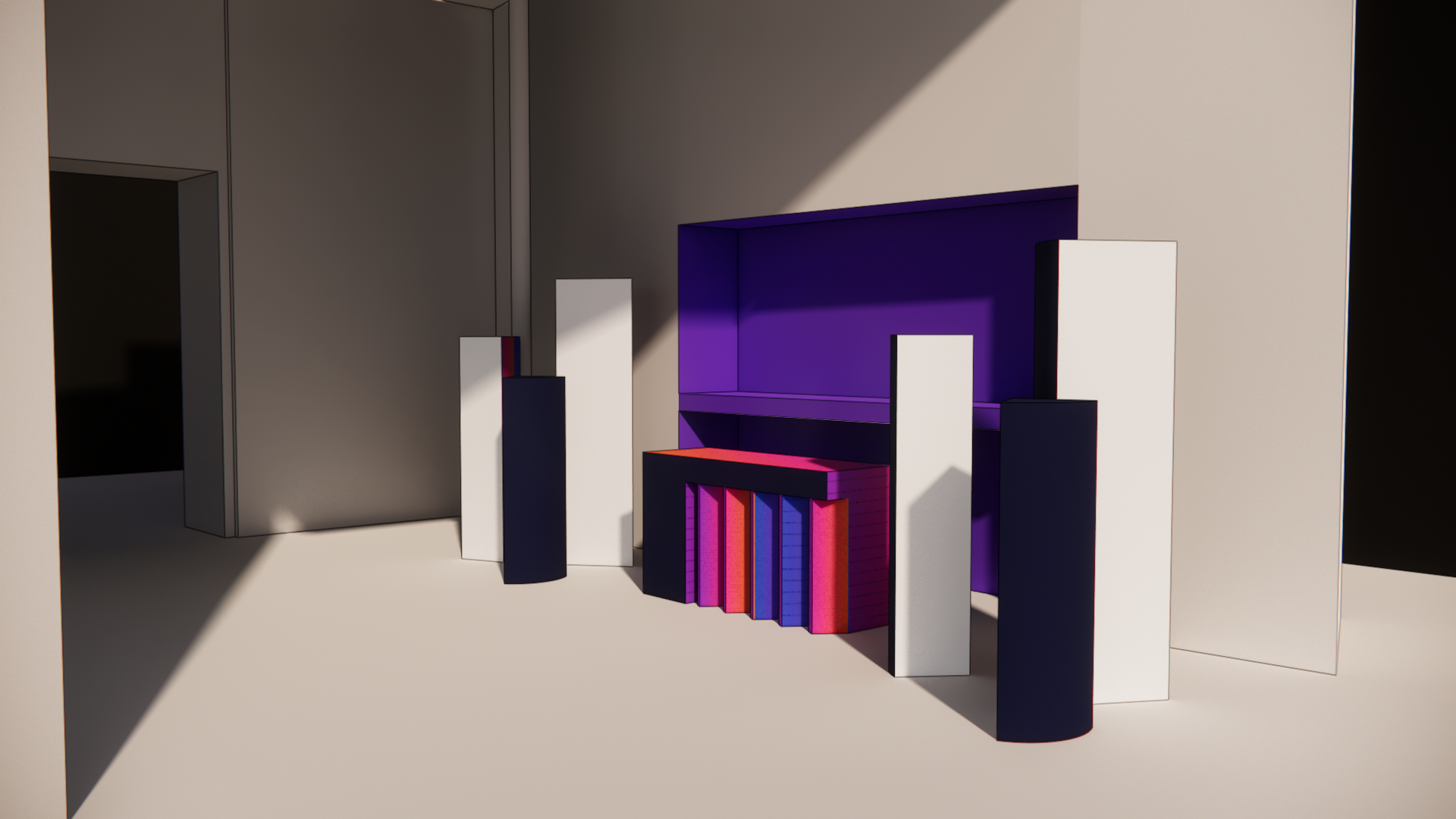

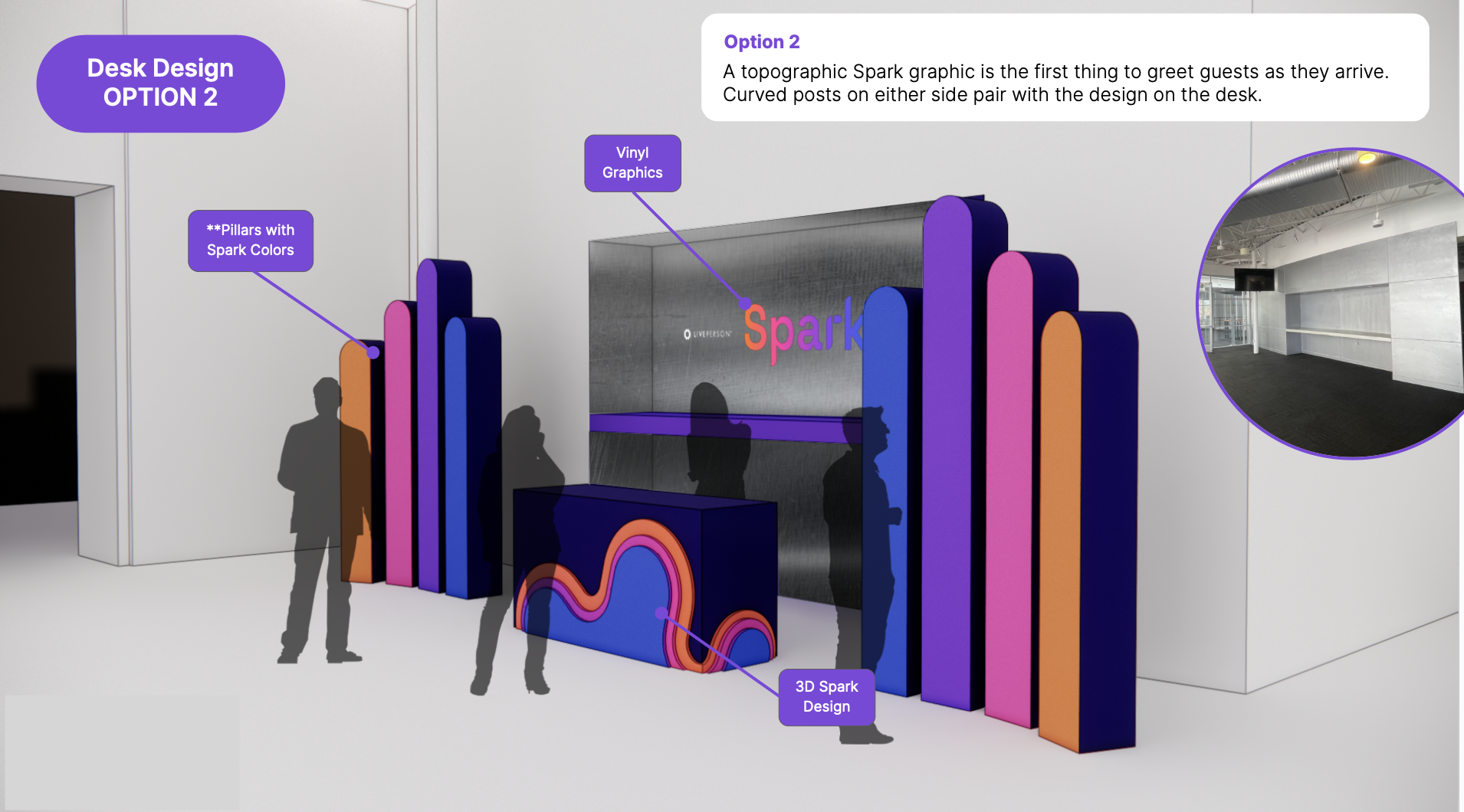
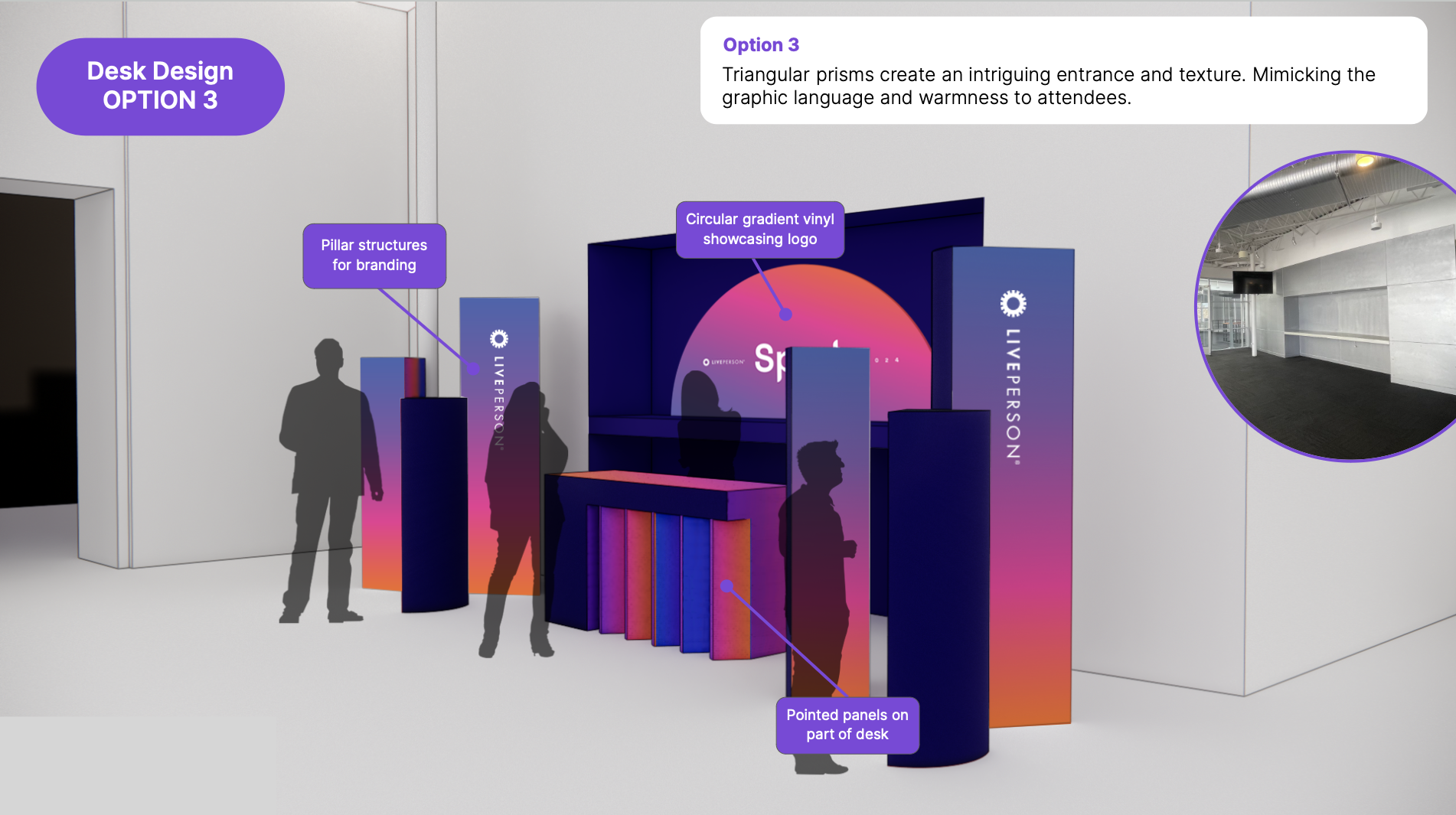


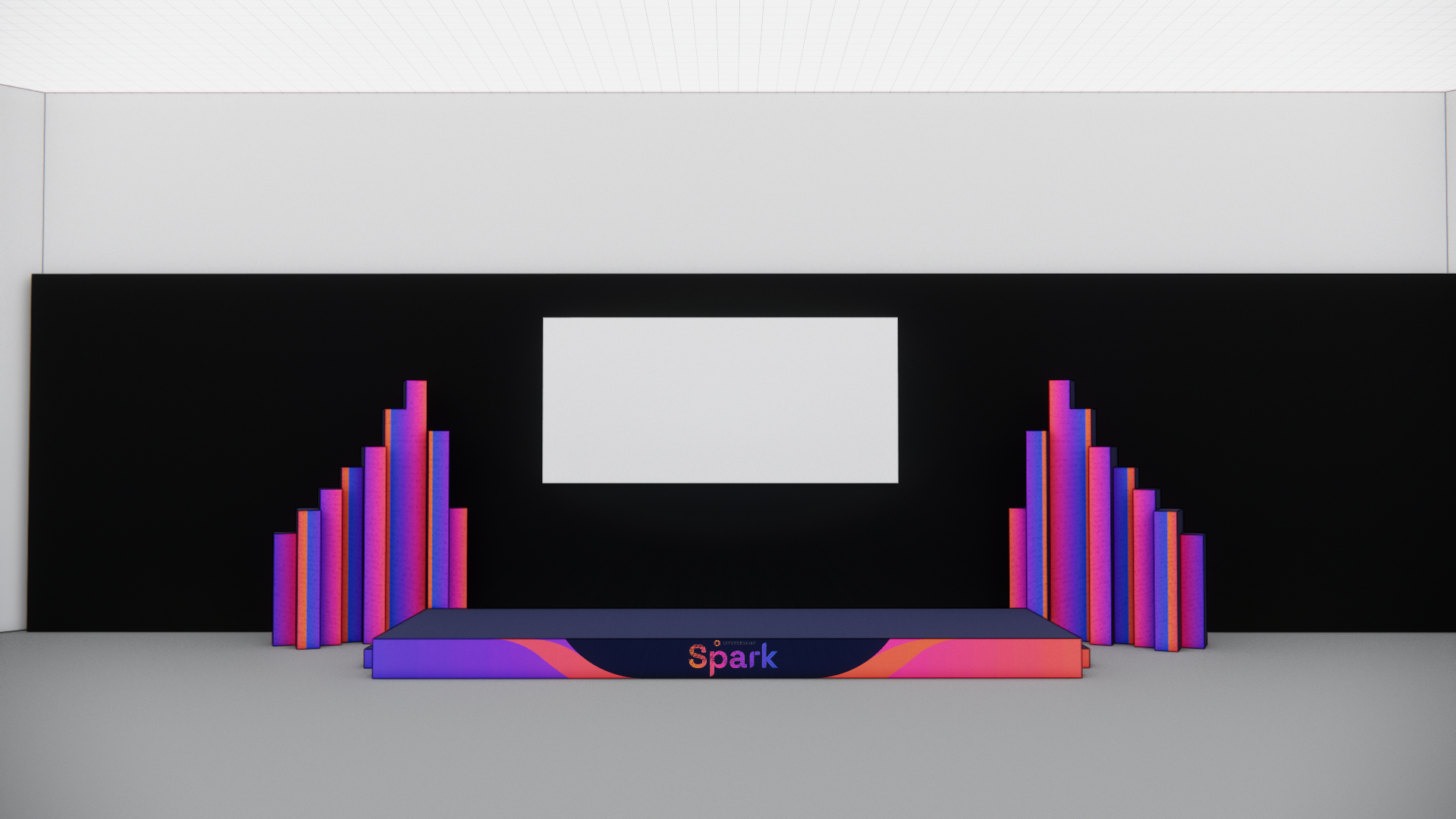
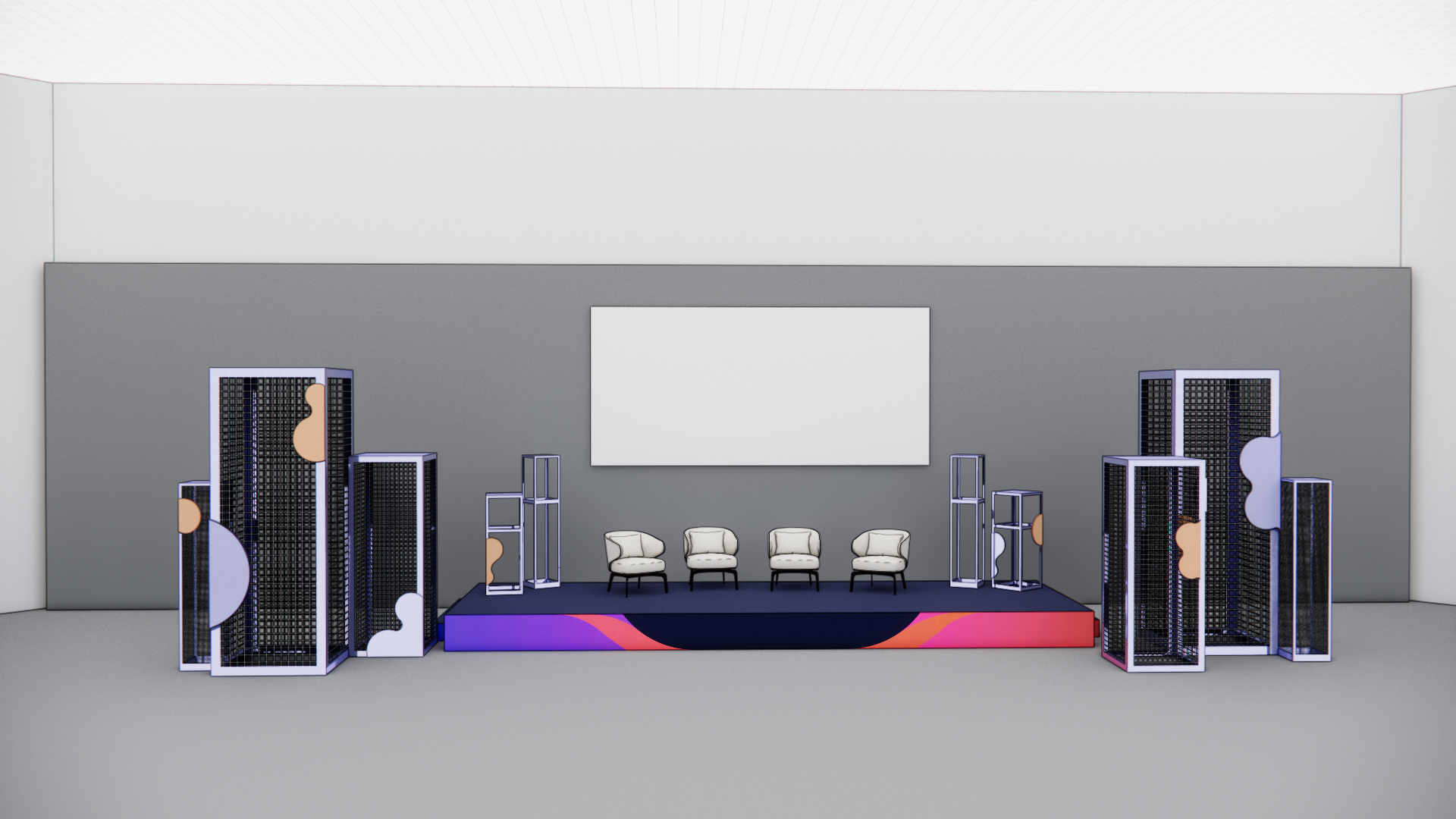

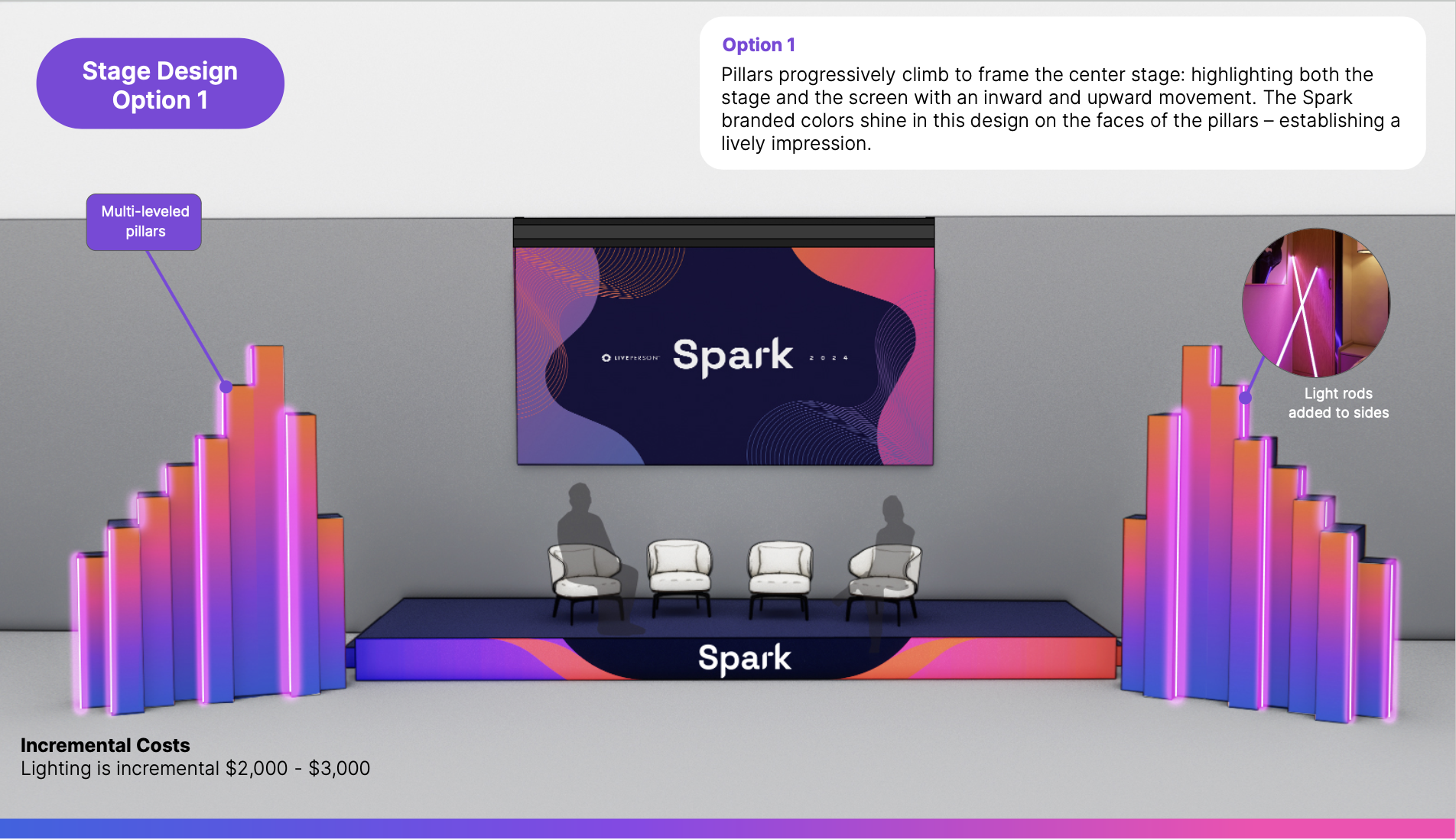

Two finalized stage directions were brought to the client: stacked MDF pillars with channel lighting, and wire grid towers with florals. Option 1 was selected.
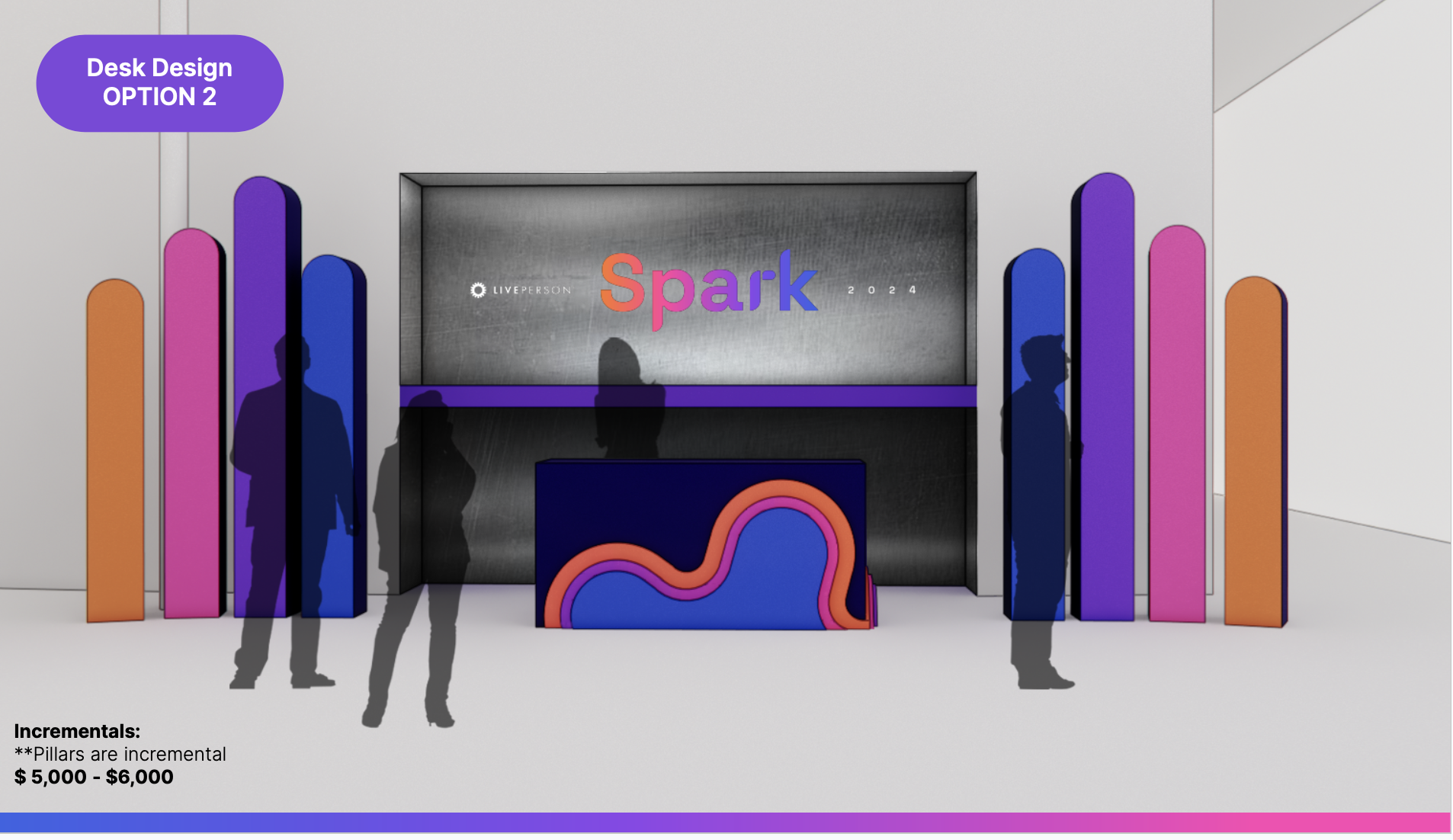
Refinements were focused on illustrating material for fabricators to replicate including callouts about pillar heights adjusted per elevator clearance constraints and vinyl treatment. The reception desk followed a parallel process driven by the same cost and clarity constraints, moving from three structural concepts toward a graphic-forward solution with a sourced, existing desk.
The main goal of this stage was to build a cohesive brand voice through the form of the stage and the reception desk and ensure the fabricators were on the same page.

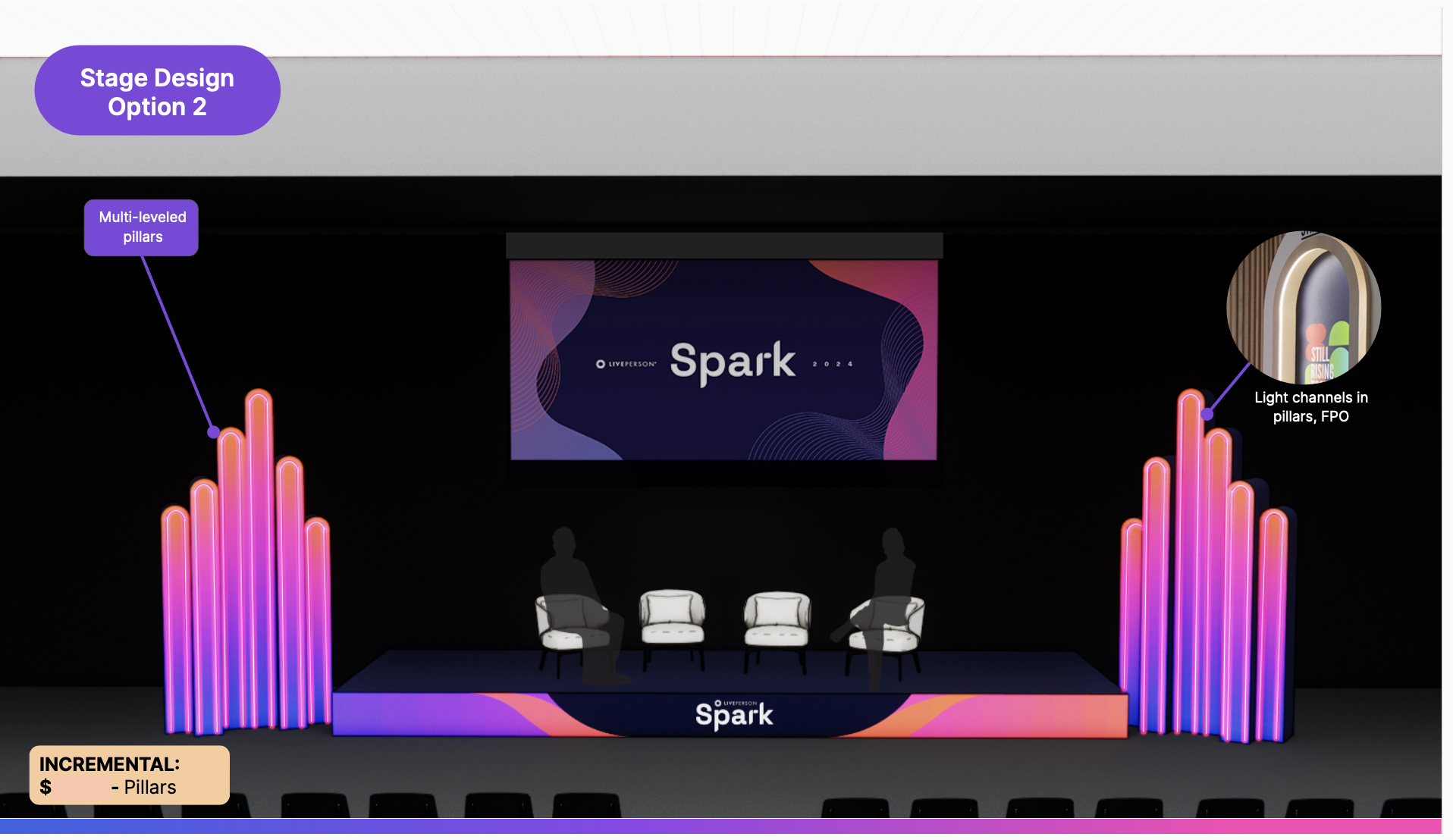

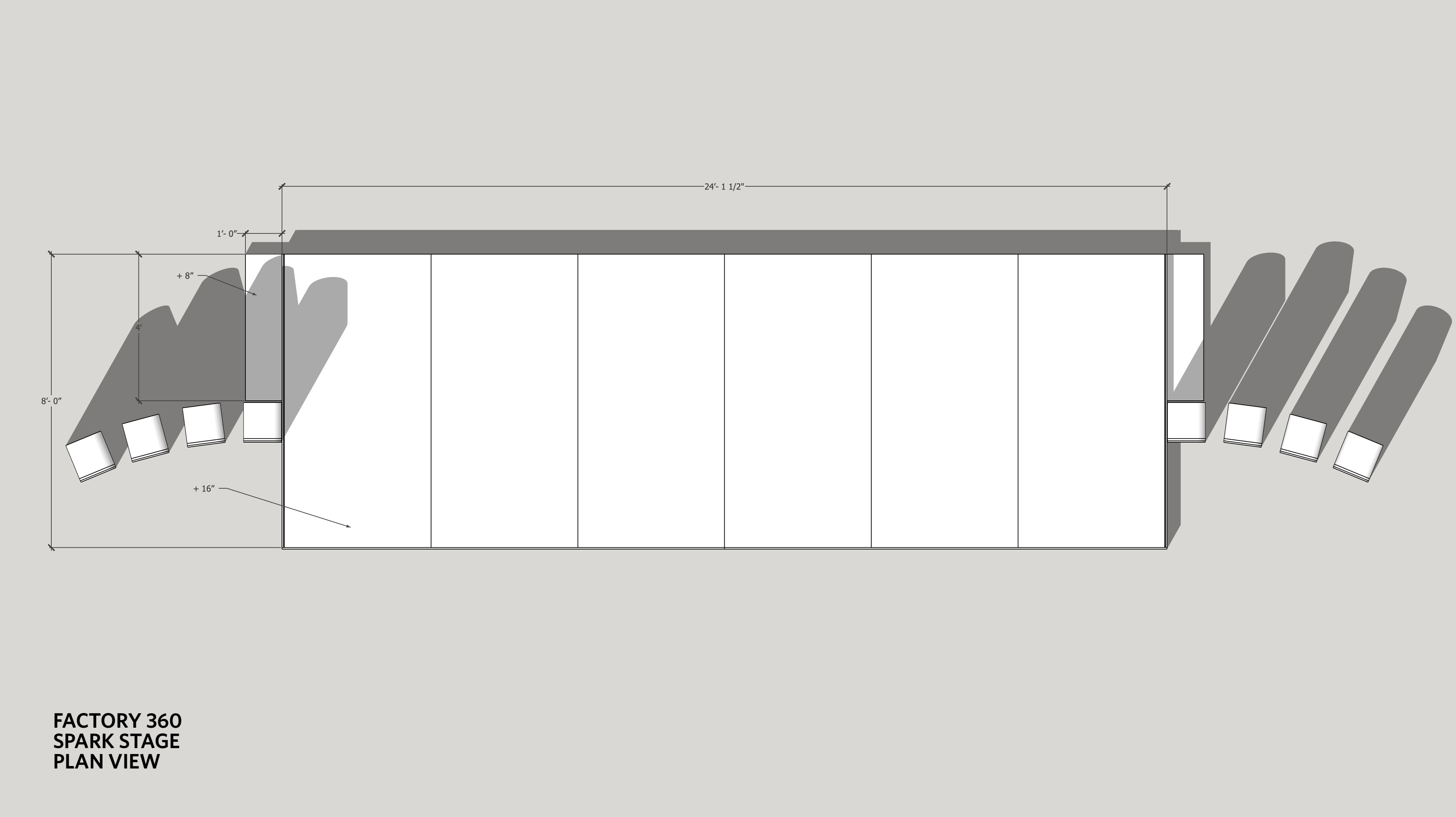
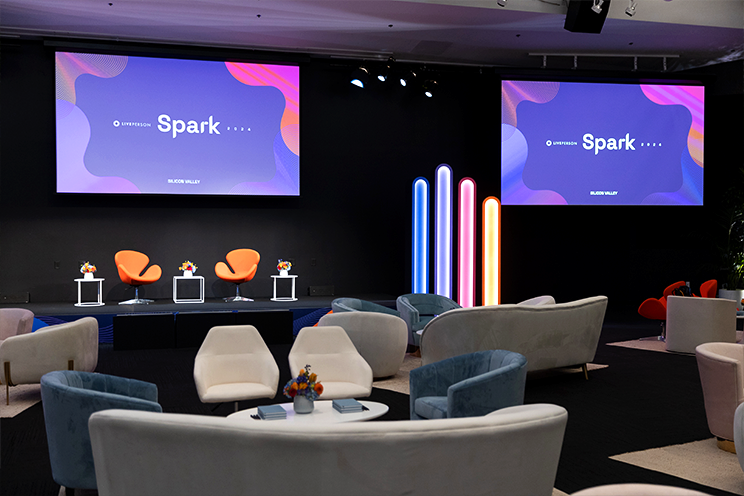
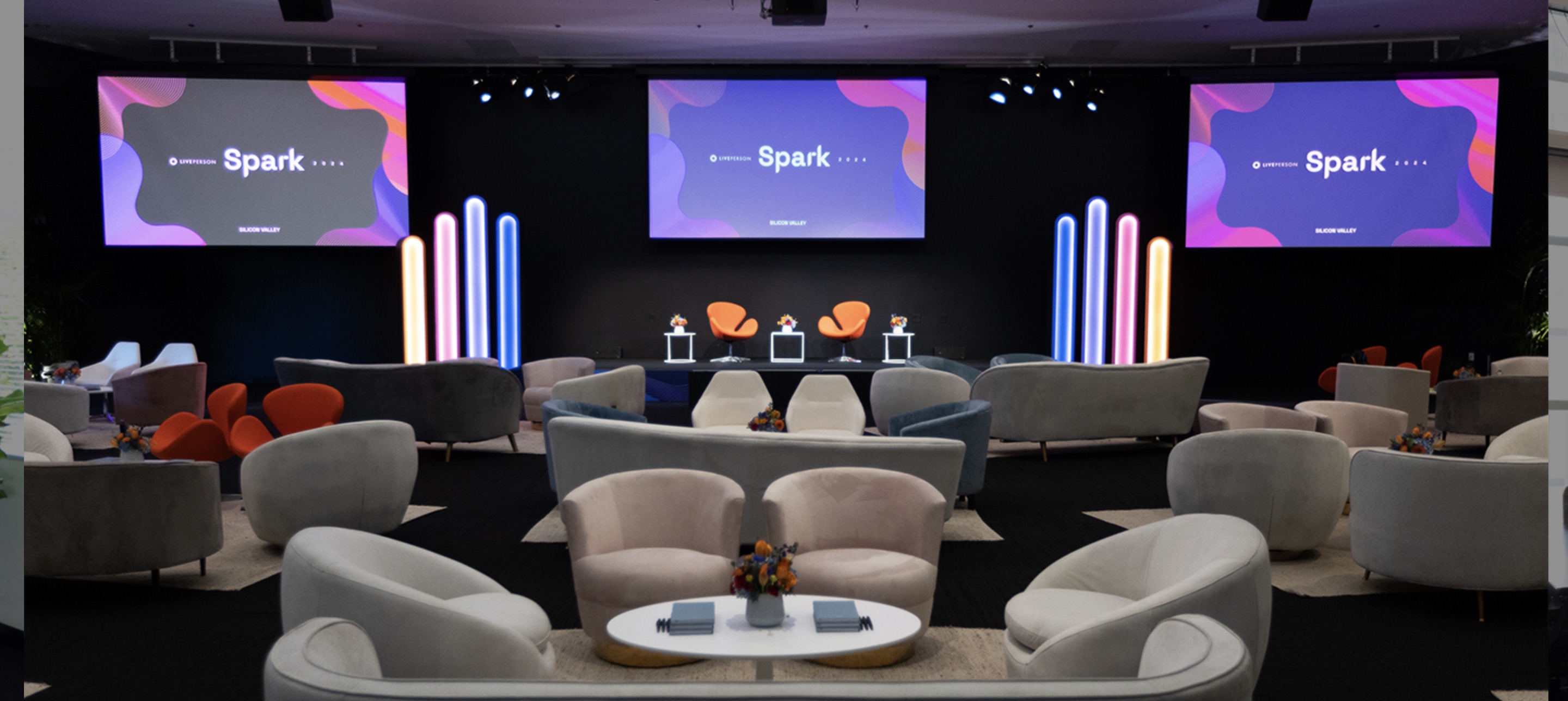
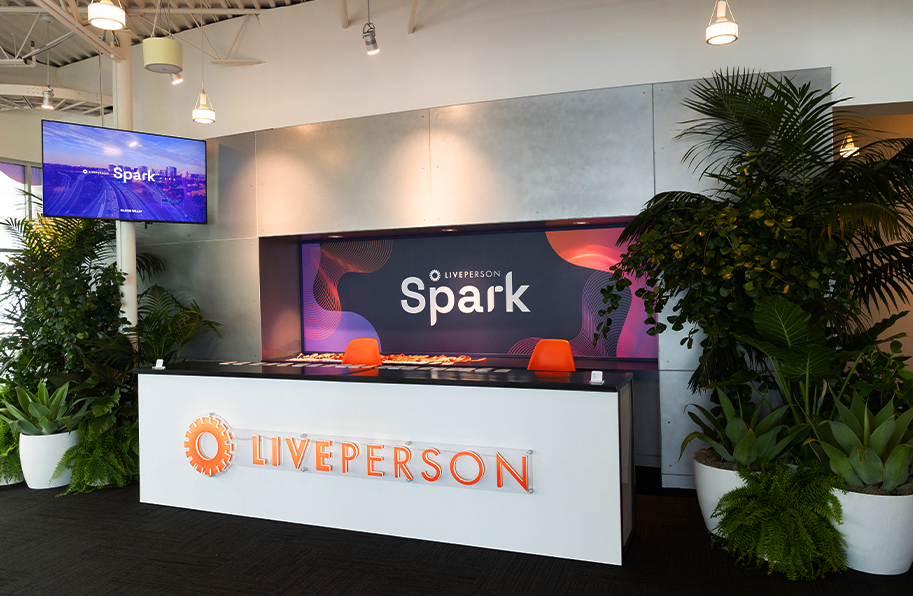
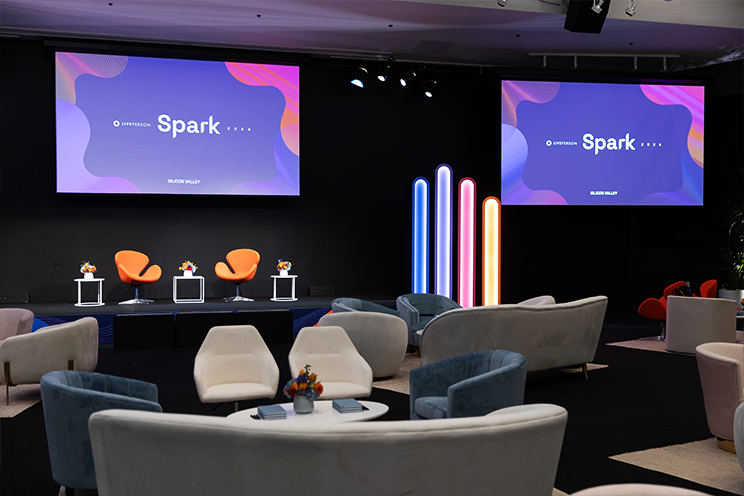
Cost and the conference tone pushed toward a cleaner execution. The stage landed on four solid-color columns per side, framing the screen without competing with it. The welcome desk became a vinyl-wrapped back wall with a sourced white desk, keeping the brand front and center without the fabrication weight.
Grubhub drove a retro Airstream carrying interactive, food-related activations to six college campuses nationwide, signing up over 2,500 students for Grubhub+ and reaching 10,000+ students over the course of the tour.
The Factory360 team handled concepting, production, and execution of the full tour. I supported on 3D design for one of the activities: a plush-food dart board.
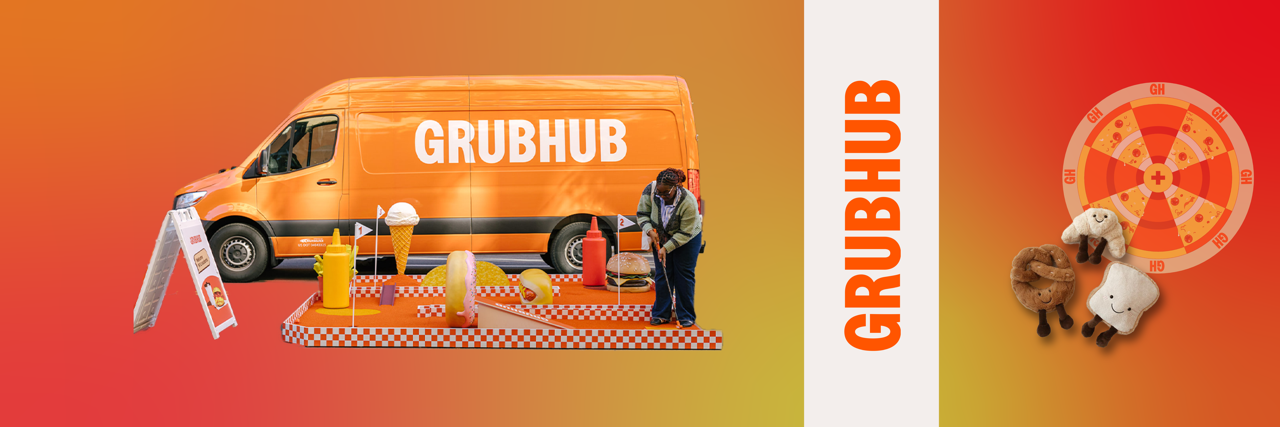
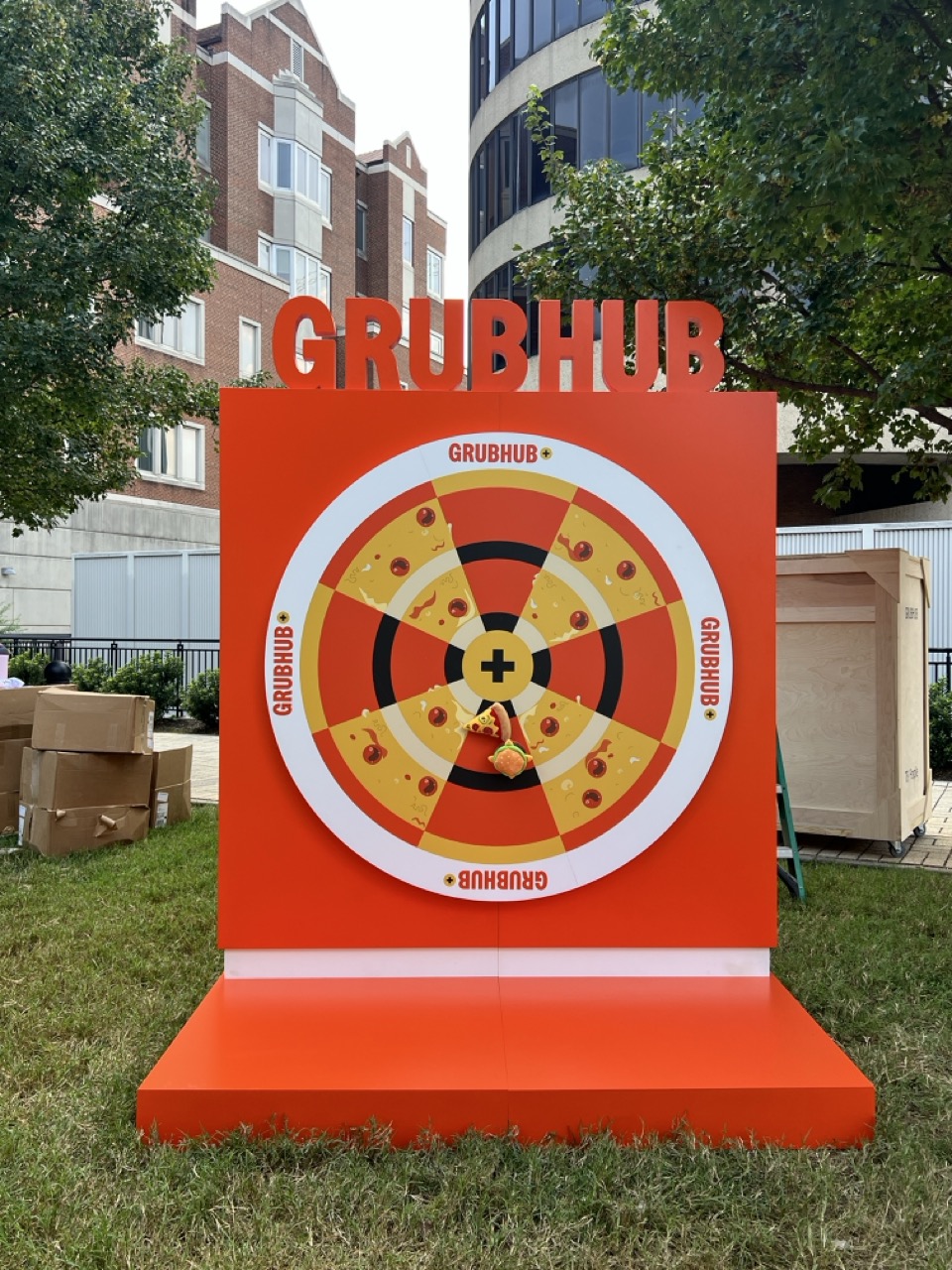
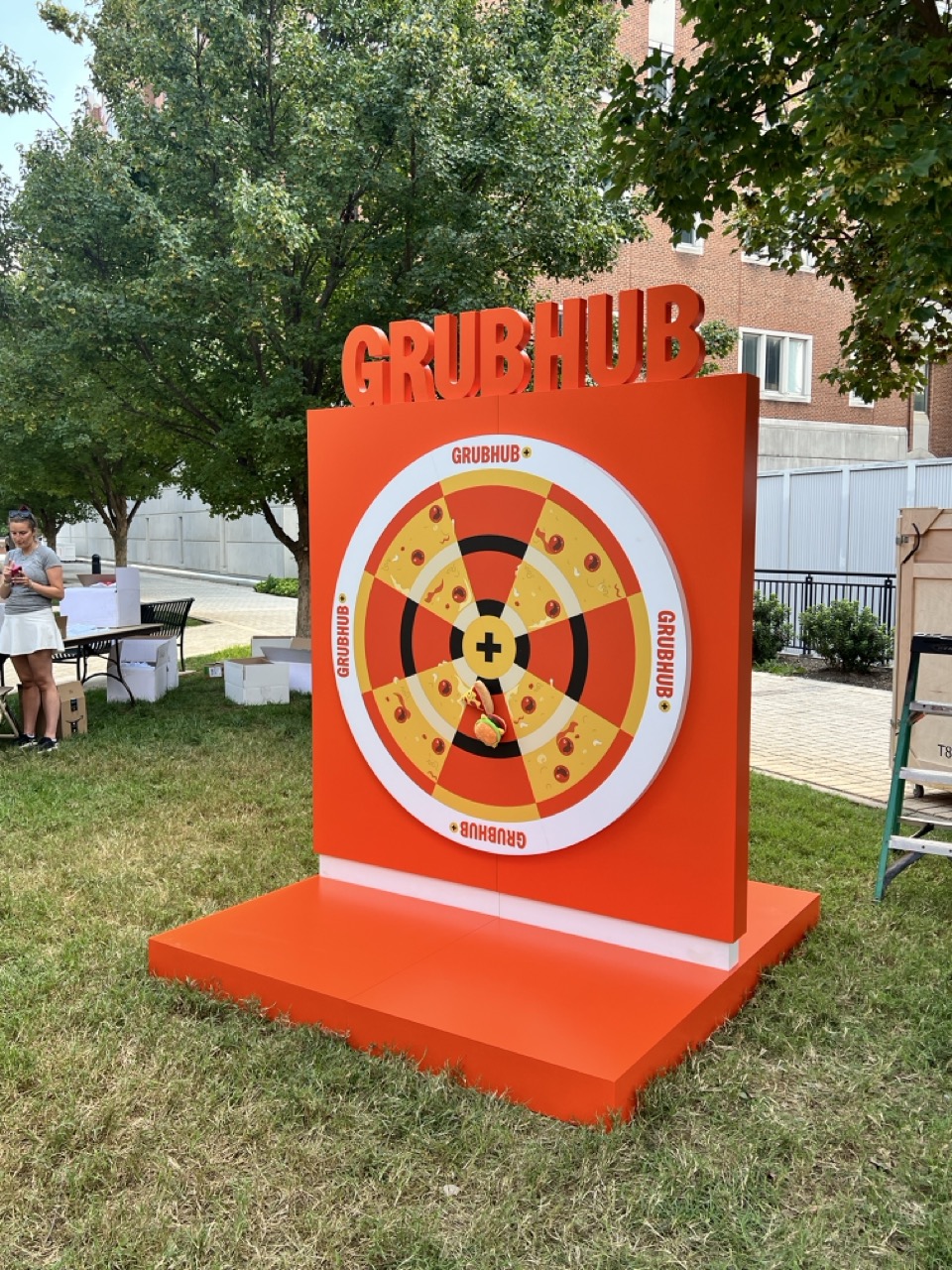
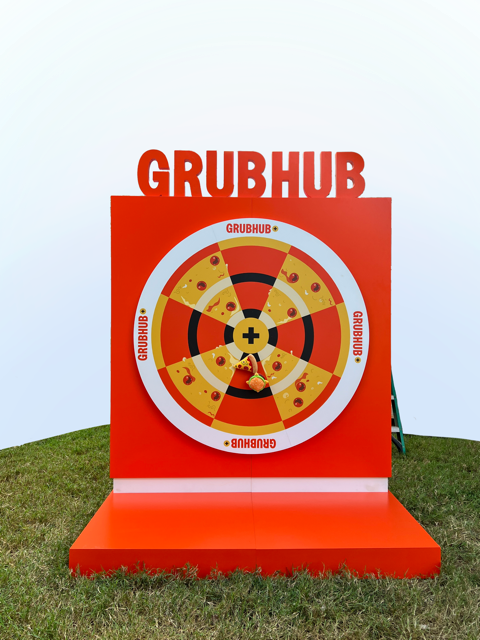
My contribution was the food-themed dart board, a large-scale interactive moment where students threw plush toys at an oversized pizza/food-themed target. The bright Grubhub branding and graphic food illustrations made for an enjoyable experience that gave students something to engage with while they waited their turn at the mini golf course or info stop at the Airstream.
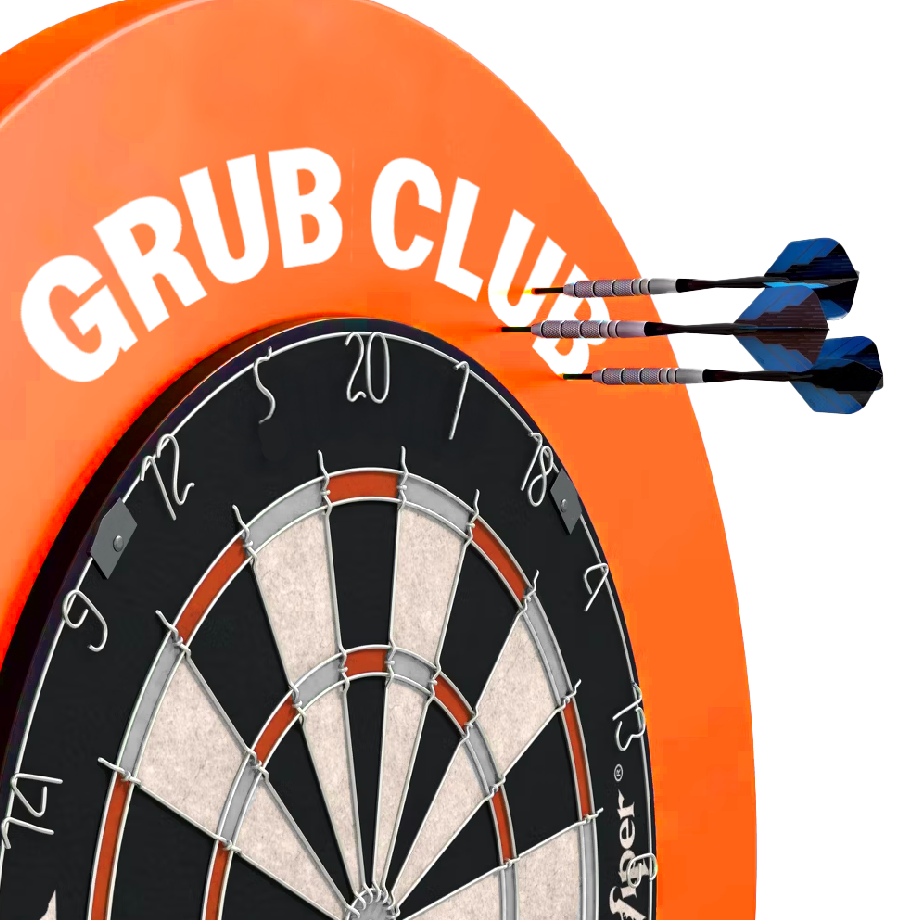
I took inspiration from retro Americana signage during early iterations, using marquee lighting and arrow forms as a starting point. There was originally a stronger consideration for storage for the plush-toys when they weren't being thrown. All modeling was accomplished using SketchUp.
The concept was simplified from there, stripping the decorative elements down to focus on bold color and a clear target graphic that could read instantly in a busy campus environment and be easily transportable across all of the stops on the tour.
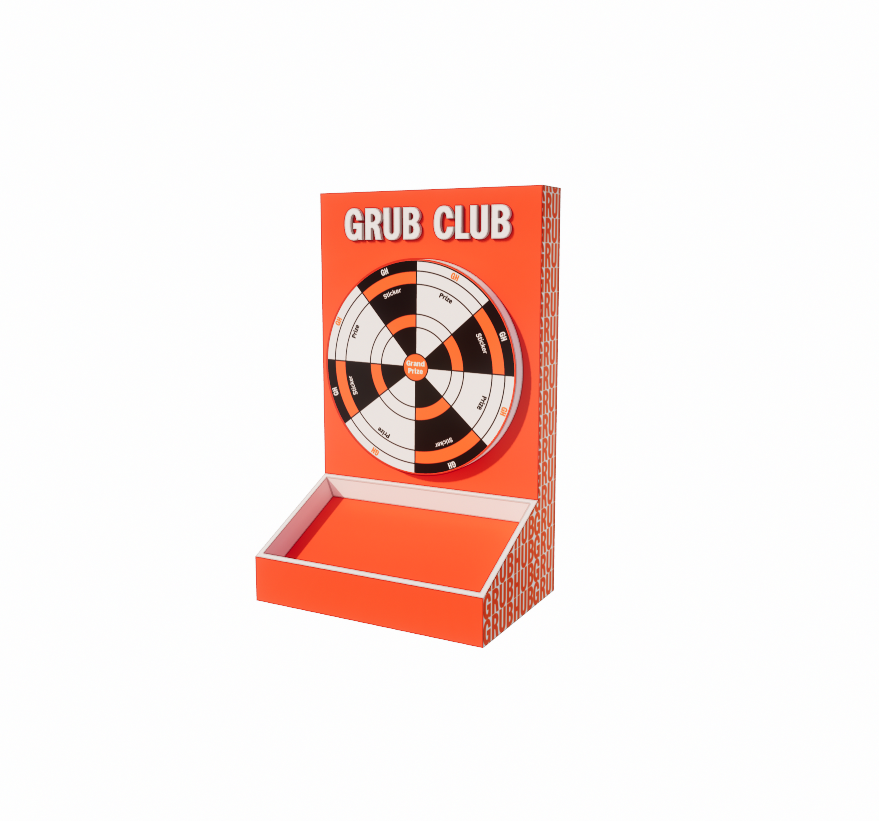
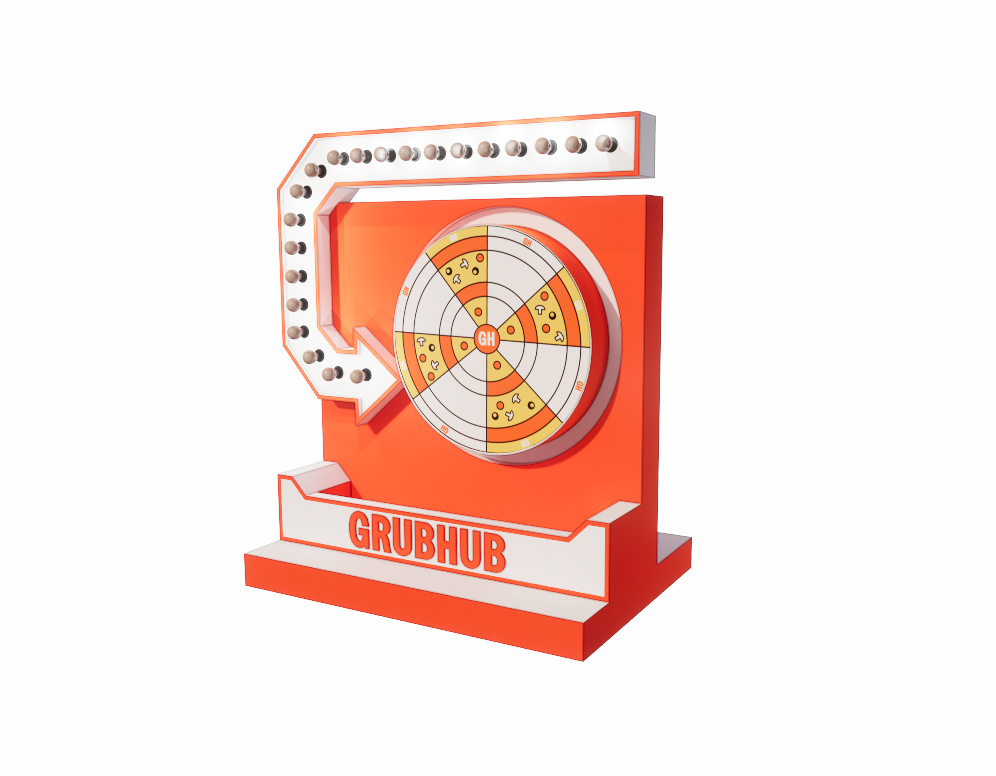
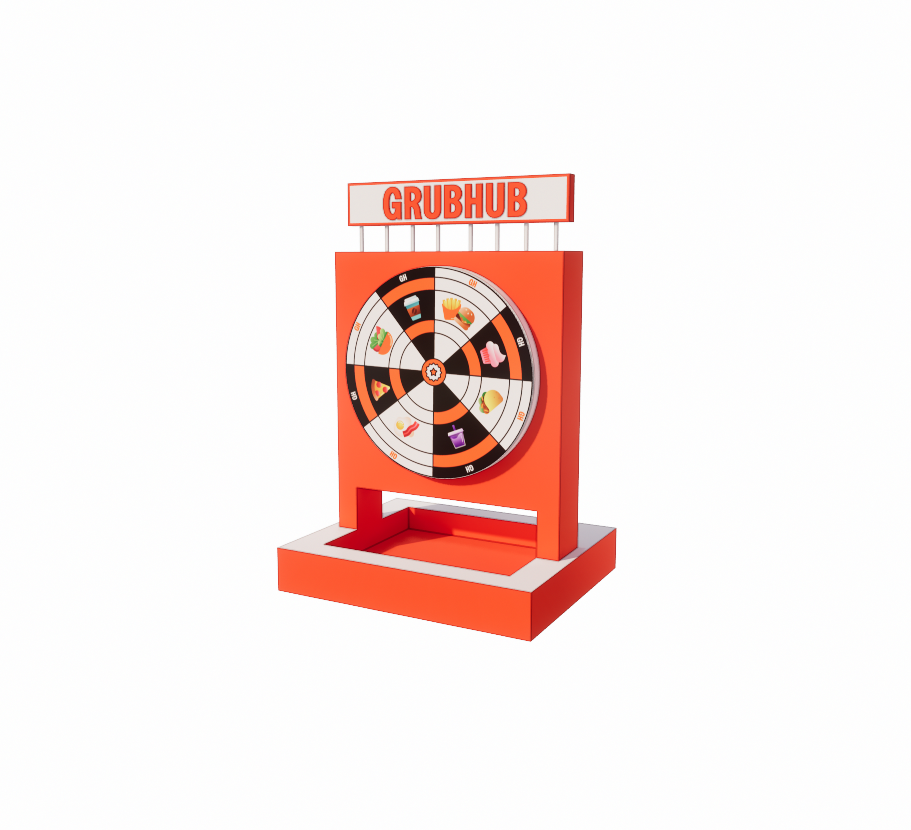
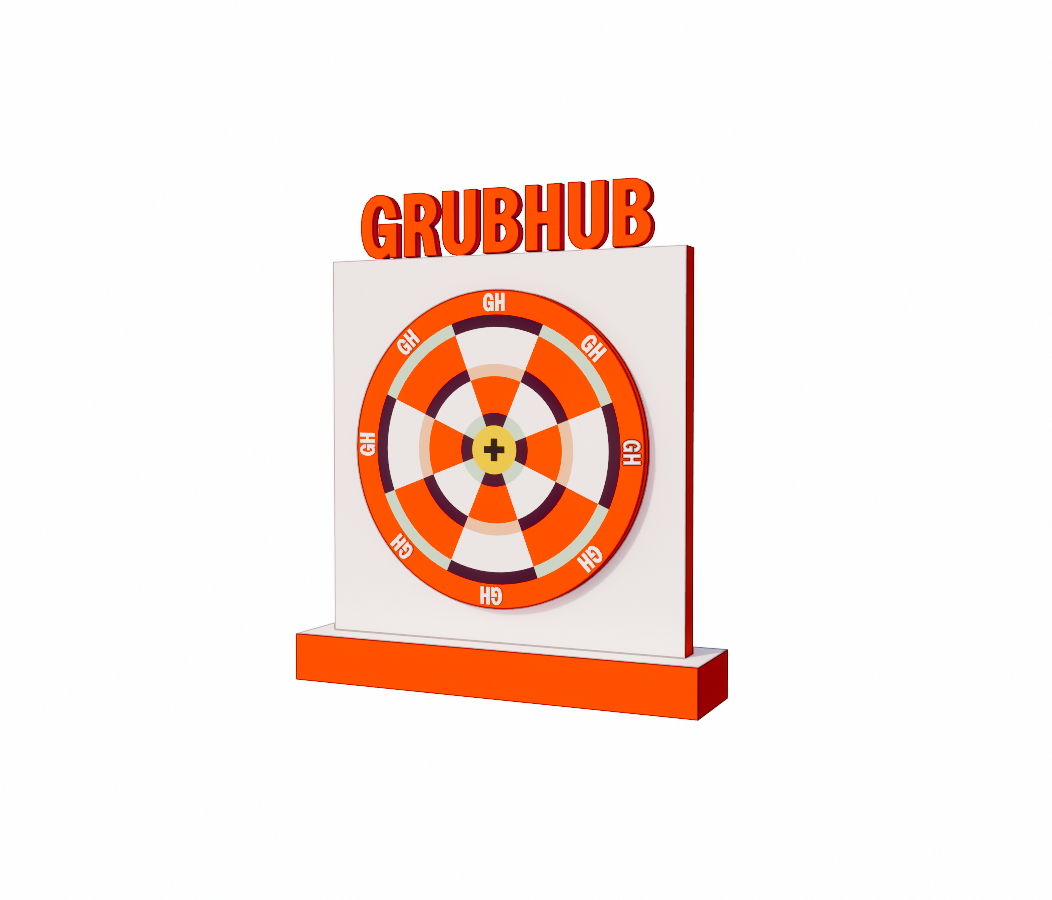
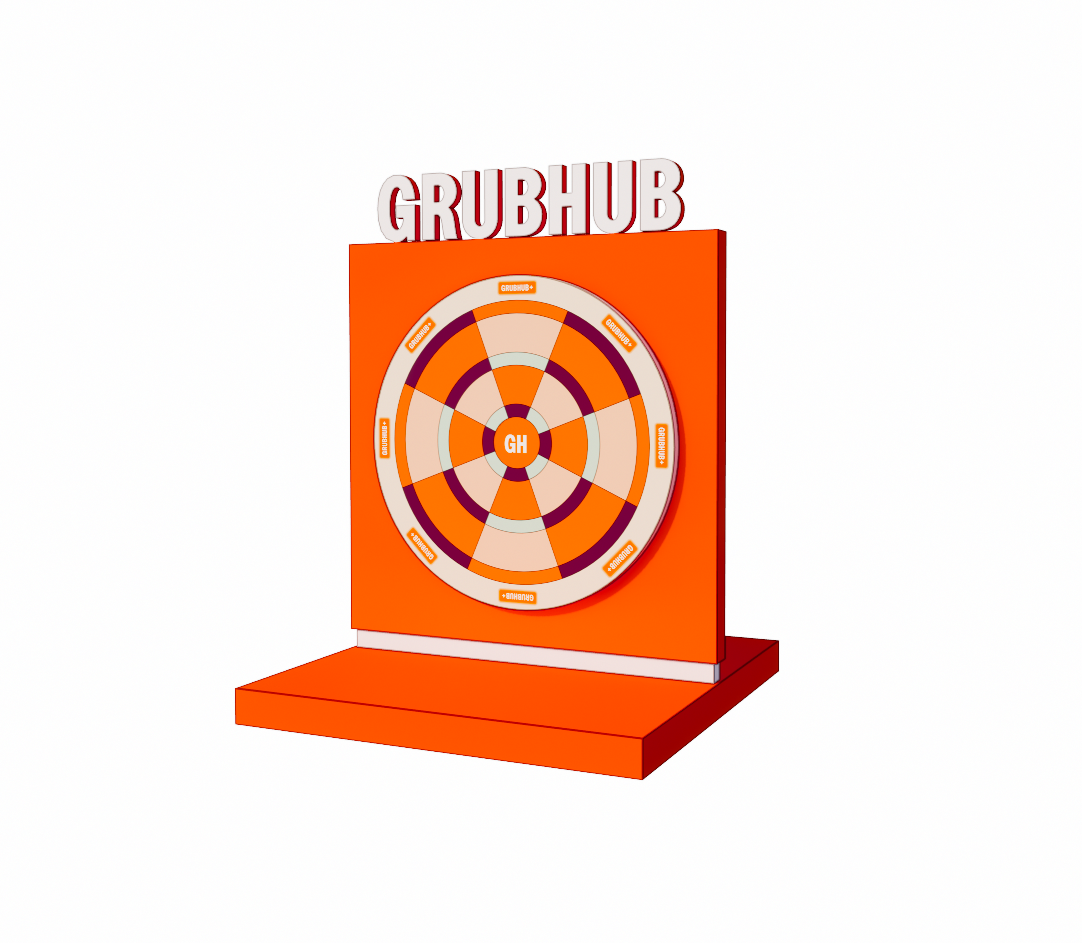
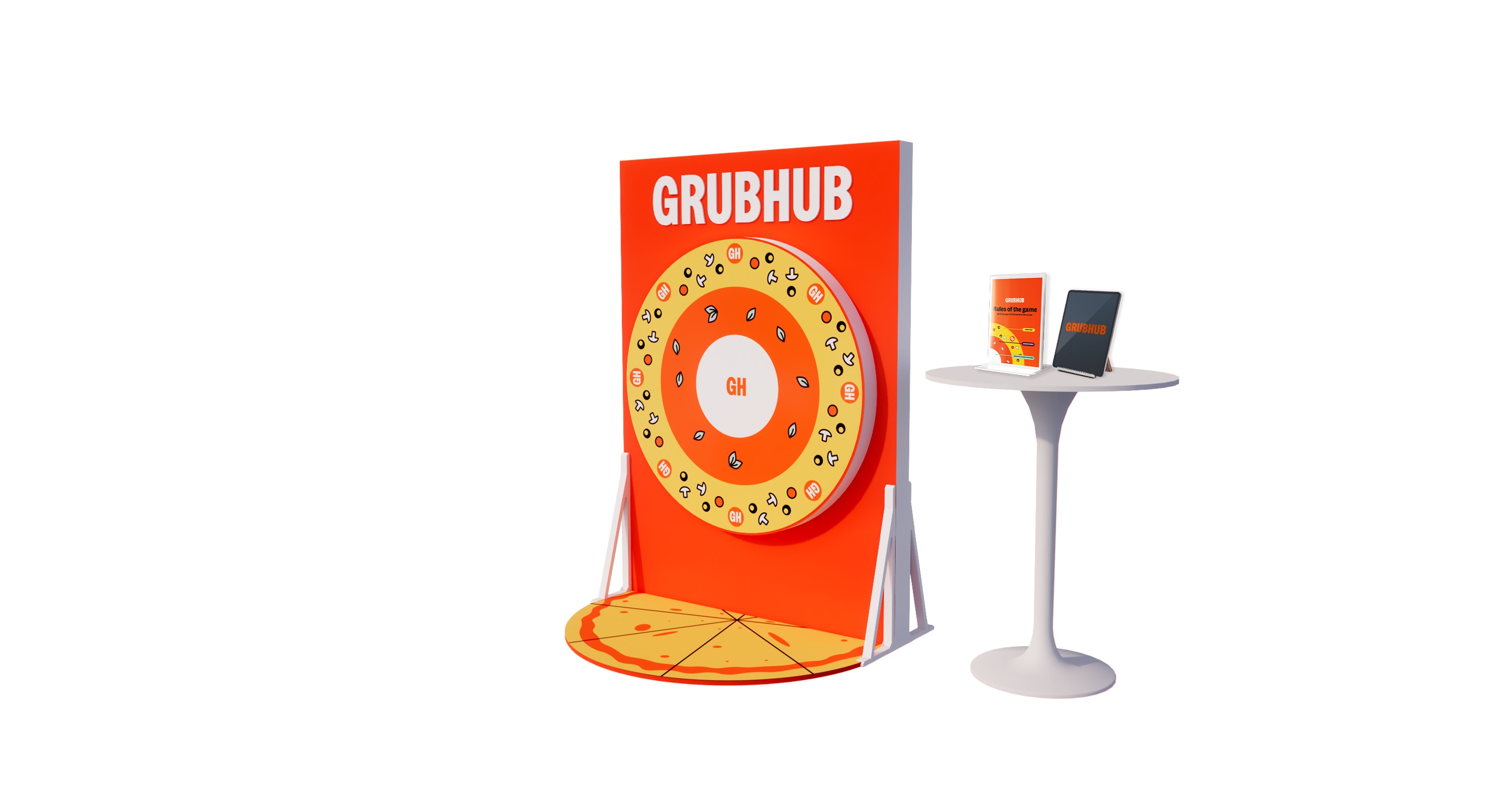
The build landed on a clean orange panel with raised Grubhub lettering and a food-illustrated velcro target.
It was simple enough to replicate across six campuses but served its purpose and brought some additional fun to the scene.